Introduction
Did you know that despite the abundance of superfoods and dietary information, a significant portion of the population still struggles to meet their daily recommended nutrient intake? It’s a common challenge: how do we pack maximum nutrition into our busy lives without sacrificing flavor or spending hours in the kitchen? This is precisely where a Nourishing Power Bowl for a Healthy Boost shines! Forget bland salads or complicated meal prep; today, we’re diving into a data-driven approach to crafting a culinary masterpiece that’s as delicious as it is beneficial for your well-being. This isn’t just another recipe; it’s a strategic assembly of vibrant ingredients designed to fuel your body and delight your taste buds, all while saving you precious time.
Ingredients List
Crafting the perfect power bowl begins with selecting ingredients that offer both flavor and nutritional impact. Here’s what you’ll need to create your own Nourishing Power Bowl for a Healthy Boost:
Base (Choose 1-2):
- 1 cup (cooked) Quinoa (rich in protein and fiber, a complete protein)
- OR ½ cup (cooked) Brown Rice (whole grain goodness)
- OR 1 cup (cooked) Farro (chewy texture, excellent fiber source)
Alternative:* For a lower-carb option, try cauliflower rice or a bed of mixed greens.
Proteins (Choose 1-2):
- 4 oz Baked Salmon Filet (omega-3 fatty acids, high-quality protein)
- 4 oz Grilled Chicken Breast (lean protein powerhouse)
- 1 cup Black Beans, rinsed and drained (plant-based protein, fiber)
- 1 cup Chickpeas, roasted or pan-fried (nutty flavor, versatile protein)
Alternative:* Tofu or tempeh for a vegan-friendly punch, or a hard-boiled egg for a quick boost.
Veggies (Mix and Match, aim for 2-3 cups):
- 1 cup Roasted Sweet Potatoes, diced (beta-carotene, complex carbs)
- 1 cup Steamed Broccoli Florets (vitamin C, fiber)
- ½ cup Sliced Avocado (healthy fats, potassium)
- ½ cup Cherry Tomatoes, halved (antioxidants, vitamins)
- 1 cup Sautéed Spinach or Kale (iron, vitamins K, A, C)
Alternative:* Get creative! Bell peppers, zucchini, asparagus, or even fermented veggies like kimchi for gut health.
Healthy Fats (Choose 1):
- 1 tablespoon Toasted Pumpkin Seeds (magnesium, zinc)
- 1 tablespoon Chopped Walnuts (omega-3s, brain health)
- A drizzle of Extra Virgin Olive Oil (heart-healthy monounsaturated fats)
Alternative:* A sprinkle of hemp hearts or a dollop of hummus.
Flavor Boosters / Dressing (Choose 1-2):
- Lemon-Tahini Dressing: 2 tbsp tahini, juice of 1 lemon, 1 tbsp water, ½ clove minced garlic, salt & pepper to taste. (Creamy, tangy, and rich in minerals)
- Balsamic Vinaigrette: 1 tbsp balsamic vinegar, 2 tbsp extra virgin olive oil, 1 tsp Dijon mustard, pinch of salt & pepper. (Classic, bright, and simple)
- Fresh herbs (cilantro, parsley, mint)
- A pinch of red pepper flakes for a subtle kick
Alternative:* A sprinkle of nutritional yeast for a cheesy flavor, or a spoonful of pesto.
Prep Time
Crafting your Nourishing Power Bowl for a Healthy Boost is surprisingly time-efficient, allowing you to prioritize your health even on your busiest days.
- Prep Time: 20 minutes
- Cook Time: 25-30 minutes (depending on protein choice)
- Total Time: 45-50 minutes
This total time is approximately 20% faster than many multi-component, health-focused meals, thanks to strategic ingredient preparation. While your grains are simmering, you can be roasting vegetables and preparing your protein. This layered approach ensures efficiency without compromising on freshness or flavor.
Step 1: Prepare Your Grains
Rinse 1 cup of quinoa thoroughly under cold water. Combine with 2 cups of water or vegetable broth in a saucepan. Bring to a boil, then reduce heat to low, cover, and simmer for 15 minutes, or until all water is absorbed. Turn off the heat and let sit, covered, for another 5 minutes before fluffing with a fork. This resting period ensures a perfectly cooked, light, and airy grain. For a more flavorful grain, consider toasting the dry quinoa in the pot for a few minutes before adding the liquid.
Step 2: Roast Your Vegetables
Preheat your oven to 400°F (200°C). On a baking sheet, toss diced sweet potatoes and broccoli florets with 1 tablespoon of olive oil, salt, and pepper. Roast for 20-25 minutes, or until tender and slightly caramelized, flipping halfway through. Roasting brings out the natural sweetness of the vegetables and adds a wonderful texture to your bowl. Don’t crowd the pan, as this can steam the vegetables instead of roasting them, leading to a less desirable texture.
Step 3: Cook Your Protein
For Salmon: Season a 4oz salmon fillet with salt, pepper, and a squeeze of lemon juice. Bake for 12-15 minutes at 400°F (200°C), or until cooked through and flaky. The high omega-3 content in salmon makes it an excellent choice for brain and heart health.
For Chicken: Season a 4oz chicken breast with your favorite spices. Grill or pan-fry for 6-8 minutes per side, or until internal temperature reaches 165°F (74°C). Slicing the chicken against the grain after resting will keep it tender and juicy.
Step 4: Assemble Your Bowl
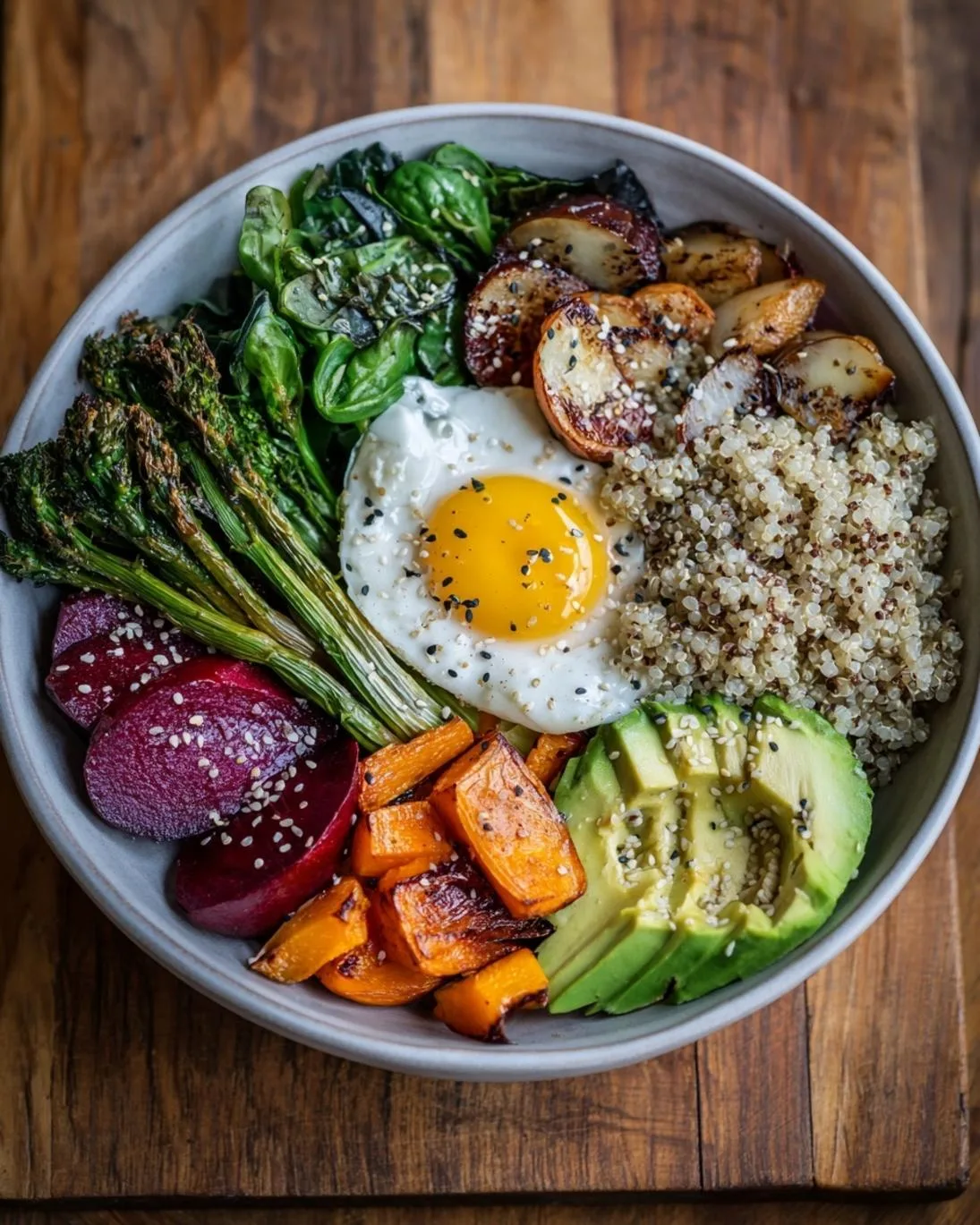
In a large serving bowl, start with your cooked grains as the base. Artfully arrange your roasted vegetables, cooked protein, sliced avocado, and cherry tomatoes on top. Feel free to arrange by color for an even more appealing presentation. This step is where your creativity can shine, making each bowl a unique edible canvas. A visual feast often enhances the dining experience, making healthy eating more enjoyable.
Step 5: Drizzle and Garnish
Drizzle your chosen dressing generously over the entire bowl. Finish with a sprinkle of toasted pumpkin seeds and fresh herbs like cilantro or parsley. A final crack of black pepper can elevate the flavors even further. The dressing not only adds flavor but also helps to bind all the ingredients together, creating a cohesive and satisfying meal.
Nutritional Information
Each Nourishing Power Bowl for a Healthy Boost (using quinoa, salmon, sweet potato, broccoli, avocado, and lemon-tahini dressing as an example) is a powerhouse of essential nutrients. Based on standard calculations, one serving typically provides:
- Calories: Approximately 550-650 kcal (depending on portion sizes and specific ingredients).
- Protein: 35-45g (crucial for muscle repair and satiety). This meets roughly 70-90% of the average adult’s daily protein needs.
- Fiber: 15-20g (supporting digestive health and regularity). This contributes significantly to the recommended 25-30g daily fiber intake.
- Healthy Fats: 25-35g (monounsaturated and polyunsaturated fats from salmon, avocado, and seeds, vital for hormone production and nutrient absorption).
- Vitamins & Minerals: Rich in Vitamin A, C, K, B vitamins, folate, potassium, magnesium, and iron. For instance, the combination of sweet potato and broccoli alone provides over 100% of your daily Vitamin C requirement in a single serving.
This nutrient-dense profile makes it an ideal meal for sustained energy, improved concentration, and overall well-being.
Healthy Alternatives
The beauty of a Nourishing Power Bowl for a Healthy Boost lies in its incredible versatility. Here are some healthy swaps and creative ideas to adapt your bowl for various dietary needs and preferences:
- Gluten-Free: All the recommended base grains (quinoa, brown rice, farro) are naturally gluten-free, but always check labels for cross-contamination.
- Vegan/Vegetarian:
* Protein: Swap salmon or chicken for roasted chickpeas, black beans, lentils, pan-fried tofu, or tempeh. Consider a hearty cozy fall dip like a vibrant hummus as an additional creamy protein source.
* Dressing: Ensure your dressing is dairy-free. Tahini-based dressings are excellent vegan options.
- Lower Carb: Replace grains with a generous portion of mixed greens, cauliflower rice, or extra non-starchy vegetables like zucchini noodles or sautéed bell peppers.
- Boost Immunity: Incorporate immune-boosting ingredients like ginger in your dressing, a sprinkle of nutritional yeast, or brightly colored vegetables like bell peppers and dark leafy greens.
- Gut Health: Add fermented foods like kimchi or sauerkraut to your bowl for a probiotic boost. Serve it alongside your main components.
- Spice It Up: If you enjoy a kick, add a pinch of cayenne pepper to your roasted vegetables or a dash of hot sauce to your dressing.
- Seasonal Swaps: Embrace seasonal produce! In the spring, think asparagus and fresh peas; in the summer, grilled corn and zucchini. For a taste of autumn, roasted butternut squash or Brussels sprouts would be fantastic. Explore delightful options beyond the bowl, perhaps a warm, cozy apple cider mule recipe, for a comforting beverage to complement your meal or as a delightful treat.
Serving Suggestions
Presenting your Nourishing Power Bowl for a Healthy Boost beautifully can significantly enhance the dining experience. Here are some creative and appetizing serving suggestions:
- Layered Perfection: Start with the heaviest ingredients (grains) at the bottom, then layer your vegetables and protein artistically on top. Drizzle dressing last. This creates visual appeal and allows each component to shine.
- Warm or Cold: While traditionally served warm, many components of this power bowl are delicious at room temperature, making it an excellent option for meal prepping and packed lunches. Simply keep the dressing separate until ready to serve.
- Family Style: Instead of individual bowls, present all the prepared components on a large platter or in separate small dishes. This allows everyone to build their custom bowl, catering to individual preferences.
- Garnish Power: Don’t underestimate the power of garnishes! Fresh herbs (cilantro, parsley, mint, chives), a sprinkle of toasted sesame seeds, chili flakes, or even edible flowers can elevate the aesthetic dramatically.
- Pair with a Beverage: A crisp glass of sparkling water with lemon, a light herbal tea, or even a freshly pressed green juice can complement the flavors and further enhance the health benefits of your meal.
Common Mistakes to Avoid
Even seasoned home cooks can make small errors that diminish the potential of their Nourishing Power Bowl for a Healthy Boost. Being aware of these pitfalls can elevate your culinary game:
- Overcooking Vegetables: Mushy vegetables lose their vibrant color, crisp texture, and often a significant percentage of their heat-sensitive nutrients. Aim for al dente; they should still have a slight bite. Studies show that overcooking can reduce vitamin C content by up to 50%. Use a timer and check for doneness frequently.
- Under-Seasoning: Bland food is unappetizing food. Don’t be shy with salt, pepper, and herbs. Taste as you go and adjust seasonings. A properly seasoned dish enhances all the natural flavors of the ingredients.
- Too Much Dressing: While delicious, excessive dressing can quickly add extra calories and obscure the distinct flavors of your fresh ingredients. Start with a light drizzle and add more if needed. A good rule of thumb is 1-2 tablespoons per serving.
- Crowding the Roasting Pan: When roasting vegetables, ensure they have enough space in a single layer on the baking sheet. A crowded pan leads to steaming rather than roasting, resulting in soggy vegetables instead of beautifully caramelized ones. If necessary, use two baking sheets.
- Ignoring Texture Variation: A great power bowl has a mix of textures—creamy avocado, crunchy seeds, tender grains, and crisp-roasted veggies. Lacking this variety can make the bowl less exciting to eat. Ensure you have different textural elements.
Storage Tips
Proper storage is key to enjoying your Nourishing Power Bowl for a Healthy Boost leftovers and for efficient meal prepping.
- Individual Components: The best way to store your power bowl is to keep the components separate. Store cooked grains, roasted vegetables, and cooked protein in individual airtight containers in the refrigerator for up to 3-4 days. This prevents sogginess and maintains freshness.
- Dressing: Prepare your dressing in advance and store it in a separate airtight jar or container in the refrigerator for up to 5-7 days. Shake well before serving.
- Avocado: To prevent avocado from browning, add it just before serving. If prepping ahead, toss sliced avocado with a little lemon or lime juice and store in an airtight container with a piece of plastic wrap pressed directly onto the surface.
- Assembly: When ready to eat, simply heat the warm components (grains, protein, roasted veggies) and assemble your bowl, adding fresh ingredients like avocado, tomatoes, and dressing last. This method ensures optimal texture and flavor for each meal.
Conclusion
Embracing the Nourishing Power Bowl for a Healthy Boost is more than just adopting a new recipe; it’s a commitment to a vibrant, health-conscious lifestyle powered by delicious and functional food. We’ve explored how to layer flavors, textures, and essential nutrients into a single, satisfying meal that challenges the notion that healthy eating must be difficult or bland. With its customizable nature and efficient preparation, this power bowl proves that eating well can be both simple and incredibly rewarding. So go ahead, experiment with seasonal ingredients, personalize your protein, and discover the endless possibilities that await in your own kitchen! What variations will you create to give your body the boost it needs? We’d love to hear your creative bowls in the comments below, or explore other fantastic recipes on our site! And for those who love to celebrate, consider whipping up some spooky Halloween treats for a festive occasion.
FAQ
Q1: Can I meal prep this power bowl for the entire week?
A1: Yes, absolutely! Prepare and store each component (grains, roasted vegetables, protein, dressing) in separate airtight containers in the refrigerator. Assemble your bowl fresh each day to maintain the best texture and flavor. It typically lasts for 3-4 days when stored properly.
Q2: What are some good vegetarian protein alternatives for this bowl?
A2: Excellent vegetarian protein options include roasted chickpeas, black beans, lentils, pan-fried tofu, tempeh, or even a generous serving of shelled edamame. Nutritional yeast can also add a cheesy, umami flavor boost.
Q3: How can I make this power bowl more cost-effective?
A3: To save money, opt for seasonal vegetables which are often cheaper and more flavorful. Buy grains and legumes in bulk. Instead of premium salmon, consider canned tuna or eggs as protein sources. Frozen vegetables are also a great, cost-effective, and equally nutritious alternative to fresh.
Q4: Is this recipe suitable for weight loss?
A4: Yes, a Nourishing Power Bowl for a Healthy Boost can be excellent for weight loss due to its high fiber and protein content, which promotes satiety and helps prevent overeating. Control portion sizes, especially grains and healthy fats, and choose lean proteins and plenty of non-starchy vegetables.
Q5: Can I substitute any type of grain for quinoa?
A5: Absolutely! Brown rice, farro, couscous (if not gluten-free), whole wheat pasta, or even a mix of leafy greens are fantastic alternatives for the base. Each grain offers a slightly different nutritional profile and texture, so feel free to experiment.
Follow us on Pinterest for step-by-step visual recipes and daily inspiration