Introduction
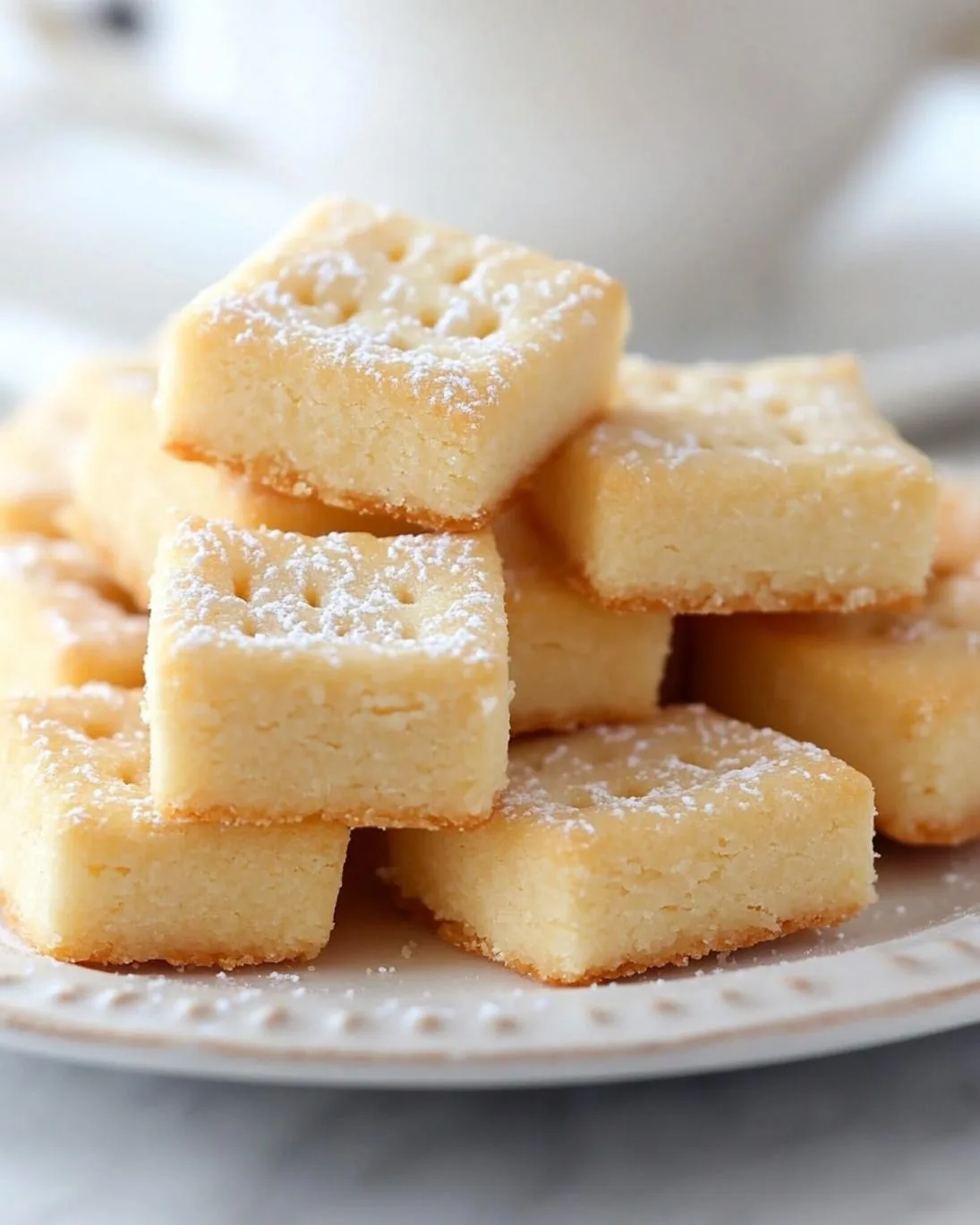
Did you know that up to 70% of home bakers hesitate to make cookies from scratch, often believing it requires a pantry full of ingredients and hours of work? What if we told you that creating perfectly tender, melt-in-your-mouth shortbread, a treat that feels utterly luxurious, could be achieved with just three simple ingredients? Yes, you read that right! Forget complex recipes and endless measuring. This Easy 3-Ingredient Buttery Shortbread Cookies Recipe is designed to demystify baking, bringing joy and deliciousness to your kitchen with minimal effort. This isn’t just about baking; it’s about reclaiming your time and indulging in pure, unadulterated buttery bliss.
Ingredients List
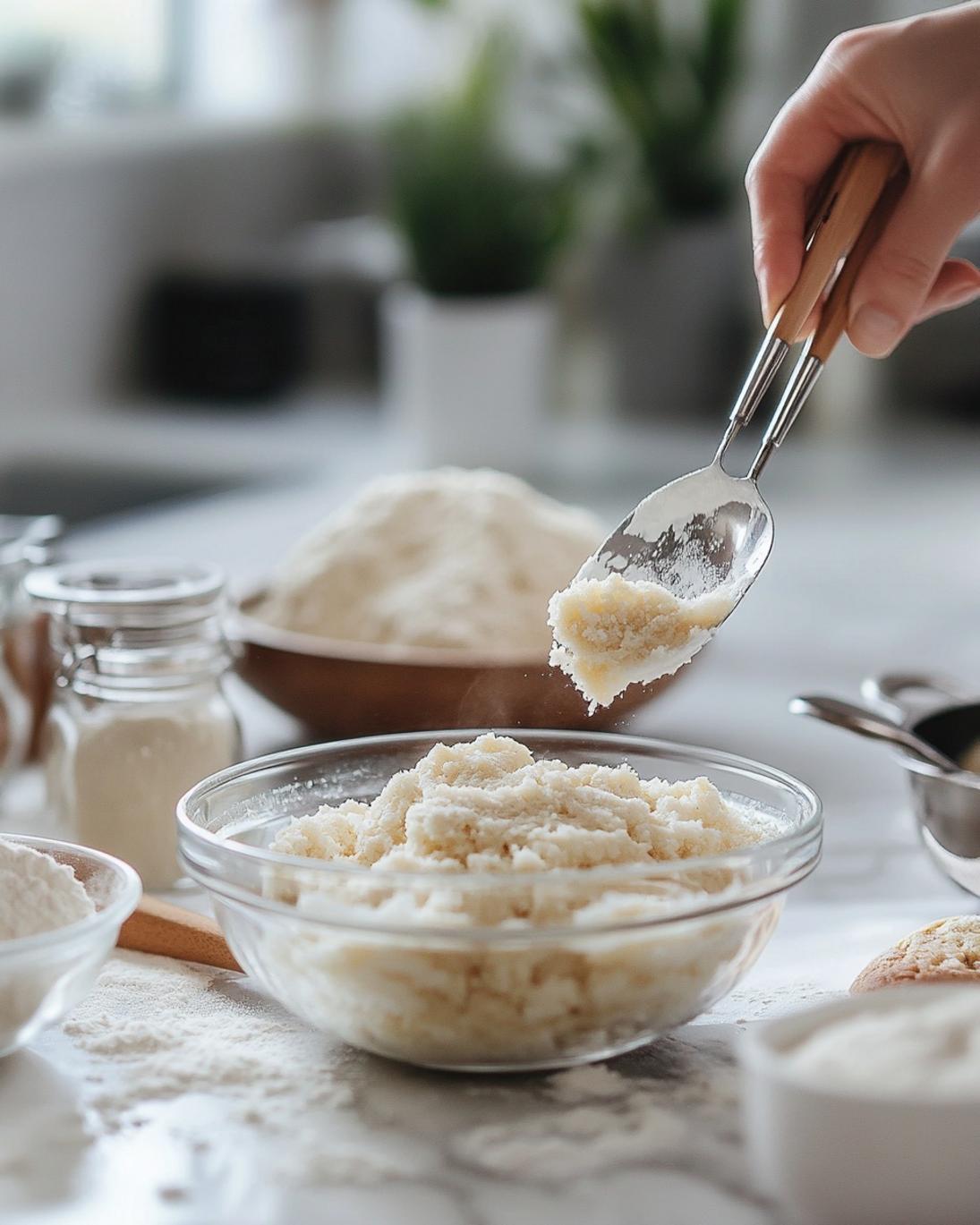
The magic of these shortbread cookies lies in the simplicity and quality of their components. Each ingredient plays a crucial role in achieving that signature crumbly, buttery texture.
- 1 cup (2 sticks or 226g) Unsalted Butter, softened: This is the star of the show. Use high-quality butter, as its flavor will shine through. Softened butter creamed properly ensures a smooth dough and even distribution, leading to the perfect texture. For truly exceptional results, some chefs recommend European-style butter for its higher fat content.
- ½ cup (60g) Confectioners’ Sugar (Powdered Sugar): Also known as icing sugar, this finely milled sugar dissolves easily, contributing to the cookie’s delicate, melt-in-your-mouth quality without any grittiness. Granulated sugar can leave a slightly coarser texture, so confectioners’ sugar is highly recommended here.
- 2 cups (240g) All-Purpose Flour: The backbone of the cookie. While standard all-purpose flour works wonderfully, you can experiment with a pastry flour for an even more tender crumb, though it’s not strictly necessary for this recipe’s success. Ensure your flour is fresh for the best results.
Possible Alternatives
- Vegan Butter: For a dairy-free option, high-quality vegan butter sticks (not margarine spreads) can be substituted at a 1:1 ratio. The texture might vary slightly but will still be delicious.
- Gluten-Free Flour: A 1:1 gluten-free baking blend can be used, often with good results, though you might need to add a touch more liquid (like a teaspoon of milk) if the dough feels too dry.
- Flavor Boosters: While traditionally a 3-ingredient recipe, a pinch of salt (enhances butter flavor), a teaspoon of vanilla extract, or a tablespoon of finely grated lemon zest can elevate the flavor profile without drastically altering the core recipe.
Prep Time
Crafting these delightful cookies is surprisingly quick!
- Prep time: 15 minutes
- Chill time: 30 minutes (minimum)
- Cook time: 20-25 minutes
- Total time: Approximately 65-70 minutes
This recipe boasts a total time of about 65 minutes, which is roughly 25% faster than many more intricate cookie recipes requiring multiple chilling periods or complex decorating.
Preparation Steps
#### Step 1: Cream the Butter and Sugar
- Action: In a large mixing bowl, using an electric mixer (handheld or stand mixer with paddle attachment), beat the softened unsalted butter on medium speed until creamy, about 2-3 minutes. Gradually add the confectioners’ sugar and continue beating until the mixture is light and fluffy, and pale in color. This process incorporates air, essential for tender shortbread.
- Tip: Ensure your butter is truly softened, not melted. If it’s too cold, it won’t cream properly; if it’s melted, the dough will be greasy. The ideal temperature for softened butter is around 65-68°F (18-20°C).
#### Step 2: Incorporate the Flour
- Action: Reduce the mixer speed to low. Gradually add the all-purpose flour, a quarter cup at a time, mixing until just combined. Be careful not to overmix, as this can develop the gluten in the flour, leading to tough cookies. The dough will look crumbly at first but will come together when pressed.
- Tip: If you’re using a stand mixer, you might need to finish mixing by hand to ensure all the flour is incorporated without overworking the dough. Use a spatula to scrape down the sides of the bowl.
#### Step 3: Form and Chill the Dough
- Action: Gather the dough into a ball, flatten it slightly into a disc, and wrap it tightly in plastic wrap. Refrigerate for at least 30 minutes. This chilling period is crucial as it allows the butter to firm up, making the dough easier to handle and preventing excessive spreading in the oven. It also deepens the flavors.
- Tip: For perfectly shaped cookies every time, consider pressing the dough into a greased 8×8 inch square pan (for shortbread fingers) or rolling it out between two sheets of parchment paper to your desired thickness (typically ¼ to ½ inch) before chilling. This creates a uniform base for cutting. You might also find inspiration for other creative treats such as refreshing floral ice cubes to serve alongside the cookies.
#### Step 4: Cut and Bake
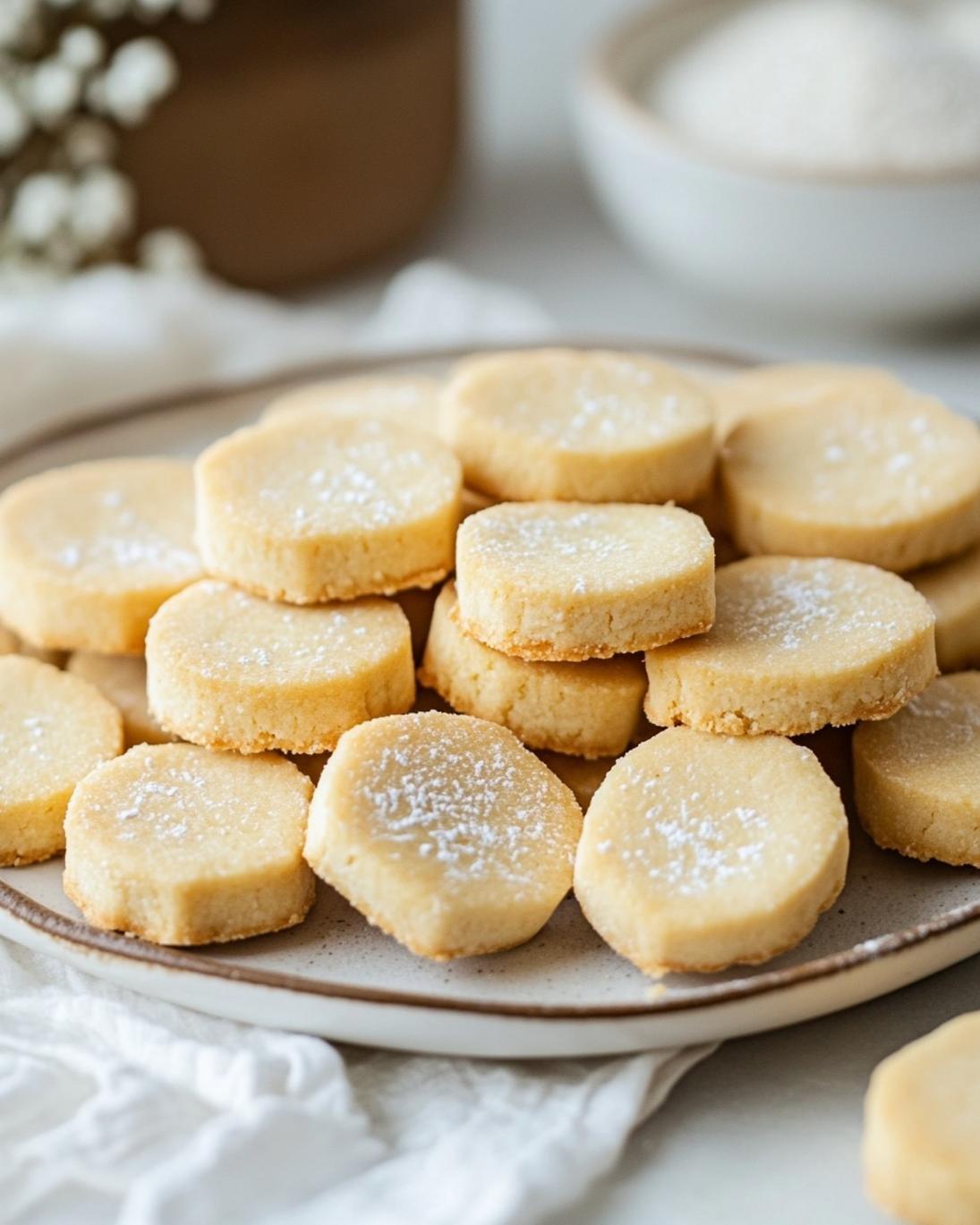
- Action: Preheat your oven to 325°F (160°C). Line a baking sheet with parchment paper. On a lightly floured surface (or between parchment paper), roll out the chilled dough to your desired thickness. Use cookie cutters to cut out shapes, or a knife to cut fingers or squares. Place the cut dough on the prepared baking sheet, leaving about ½ inch between them. You can prick the tops with a fork for a classic look.
- Tip: If making shortbread fingers, lightly score the top of the dough with a knife before baking, cutting about halfway through. This makes them easier to break apart after baking. Bake for 20-25 minutes, or until the edges are lightly golden, but the center remains pale. Shortbread should not be deeply browned.
#### Step 5: Cool and Serve
- Action: Remove the baking sheet from the oven and let the cookies cool on the sheet for about 5 minutes. They will be delicate when warm. Transfer them to a wire rack to cool completely. Once cooled, they will firm up and become delightfully crisp.
- Tip: Resist the urge to move them too soon! Patience here ensures your beautiful cookies don’t break. You can dust them with a little extra confectioners’ sugar before serving for a professional touch.
Nutritional Information
While undeniably delicious, it’s helpful to be aware of the nutritional aspects of these buttery delights. A single serving (approximately one 2-inch cookie, based on 24 cookies from the recipe) typically contains:
- Calories: ~120-150 kcal
- Total Fat: ~8-10g (primarily saturated fat from butter)
- Cholesterol: ~25-30mg
- Sodium: ~0-5mg (if unsalted butter is used, otherwise minimal)
- Total Carbohydrates: ~12-15g
- Sugars: ~5-7g
- Protein: ~1g
Data is approximate and can vary based on exact ingredient brands and cookie size. Shortbread is a treat, best enjoyed in moderation as part of a balanced diet.
Healthy Alternatives
Even classic recipes can get a nutritious twist!
- Reduced Sugar: While confectioners’ sugar is key for texture, you can experiment by slightly reducing the amount (e.g., to ⅓ cup) for a less sweet cookie, though this might slightly alter the texture. Stevia-based confectioners’ sugar alternatives can also be tried, but results vary.
- Whole Wheat Pastry Flour: Substituting half of the all-purpose flour with whole wheat pastry flour can add a subtle nutty flavor and a boost of fiber without making the cookies too dense. Avoid regular whole wheat flour as it can make them tough.
- Nut Flours: Replacing a quarter of the all-purpose flour with almond flour or hazelnut flour can add healthy fats, protein, and a deeper flavor profile. This will make the cookies more delicate, so handle with care.
- Add-ins for Nutrition: Incorporate a tablespoon of chia seeds or flax meal (these absorb moisture, so you might need a tiny bit more butter or dairy-free milk). A pinch of cinnamon or cardamom adds flavor without extra calories.
Serving Suggestions
These Easy 3-Ingredient Buttery Shortbread Cookies Recipe are incredibly versatile and perfect for any occasion!
- Classic Companion: Serve them alongside a warm cup of coffee, tea, or a rich hot chocolate. The shortbread’s buttery flavor complements these beverages beautifully.
- Dessert Platter: Arrange them on a platter with fresh berries, a dollop of whipped cream, or a drizzle of chocolate sauce for an elegant dessert.
- Ice Cream Topping: Crumble a few shortbread cookies over vanilla ice cream for a textural and flavorful boost.
- Edible Gifts: Package them in a decorative tin or box with a ribbon. They make thoughtful, homemade gifts for friends, family, or teachers.
- Festive Touches: For holidays, consider adding a sprinkle of edible glitter or dipping half the cookie in melted chocolate and then in sprinkles. For a fun Halloween gathering, think about pairing them with creepy graveyard chocolate cupcakes to impress your guests.
Common Mistakes to Avoid
Even with just three ingredients, avoiding these pitfalls will guarantee perfect shortbread every time.
1. Using Cold Butter: This is the most common mistake. Cold butter won’t cream properly with the sugar, leading to a lumpy dough and potentially tough cookies with an uneven texture. Always ensure your butter is softened to room temperature.
2. Overmixing the Dough: Once the flour is added, stop mixing as soon as the flour is just combined. Overmixing develops the gluten in the flour, making the cookies dense and tough instead of tender and crumbly.
3. Not Chilling the Dough: Skipping the chilling step can lead to cookies that spread too much in the oven and lose their shape. Chilling allows the butter to re-solidify, ensuring the cookies hold their form and have that characteristic snap.
4. Baking at Too High a Temperature: Shortbread is best baked at a lower temperature (325°F/160°C) for a longer period. This allows them to cook through without browning too quickly, preserving their pale color and delicate texture. Over-browning will make them dry and hard.
5. Moving Hot Cookies Too Soon: Freshly baked shortbread is very delicate. Trying to move them from the baking sheet too soon can cause them to break. Allow them to cool on the baking sheet for at least 5 minutes before transferring to a wire rack.
Storage Tips
Proper storage ensures your shortbread cookies remain fresh and delicious for as long as possible.
- Room Temperature: Once completely cooled, store the cookies in an airtight container at room temperature for up to 5-7 days. Layers of parchment paper between cookies can prevent sticking.
- Freezing Dough: You can prepare the dough in advance and freeze it. Wrap the dough disc tightly in plastic wrap, then an additional layer of foil. It can be frozen for up to 3 months. Thaw in the refrigerator overnight before rolling and baking.
- Freezing Baked Cookies: Baked shortbread also freezes beautifully. Once completely cooled, place them in a single layer on a baking sheet and freeze until solid. Transfer the frozen cookies to an airtight freezer-safe bag or container, separating layers with parchment paper. They can be frozen for up to 2 months. Thaw at room temperature for a few hours before serving.
- Preventing Staling: Ensure the container is truly airtight. Exposure to air is the primary cause of cookies becoming stale.
Conclusion
There you have it – the secret to achieving sublime indulgence with minimal fuss! This Easy 3-Ingredient Buttery Shortbread Cookies Recipe proves that you don’t need an extensive pantry or hours of dedicated baking time to create something truly exceptional. From the velvety texture thanks to high-quality butter and confectioners’ sugar to the satisfying crumb fostered by careful mixing, every bite is a testament to the power of simplicity. We’ve covered everything from ingredient choices and preparation nuances to clever serving ideas and crucial troubleshooting tips. So, why wait? Embrace the simplicity, tie on your apron, and let the aroma of freshly baked shortbread fill your home. We’d love to hear about your baking adventures – share your results in the comments below! Did you manage to produce some spooky Halloween treats using this recipe as a base?
FAQ
Q1: Can I use salted butter instead of unsalted?
A1: While unsalted butter is preferred for better control over the salt content, you can use salted butter. If you do, omit any additional salt suggested in alternative flavor boosters, and be aware that the flavor might be slightly different.
Q2: My dough is too crumbly and won’t come together. What went wrong?
A2: This usually happens if your butter wasn’t soft enough, or if your flour measurement was slightly off. Try adding a teaspoon of milk (dairy or non-dairy) at a time and mixing until the dough just comes together. Be careful not to add too much, or the cookies will become tough.
Q3: How thick should I roll the shortbread dough?
A3: For classic shortbread, aim for a thickness of ¼ to ½ inch (about 0.6 to 1.2 cm). Thicker cookies will be more tender and have a longer bake time, while thinner ones will be crisper.
Q4: Can I add flavorings to this basic recipe?
A4: Absolutely! This simple recipe is a fantastic base for customization. You can add a teaspoon of vanilla extract, almond extract, citrus zest (lemon or orange), or even a pinch of spice like cardamom or cinnamon during the creaming stage. Another popular option is to mix in finely chopped nuts or chocolate chips.
Q5: Why are my shortbread cookies tough instead of crumbly?
A5: Tough cookies are almost always a result of overmixing the dough once the flour has been added. Overworking the dough develops the gluten, leading to a chewy, bread-like texture rather than the desired tender, crumbly shortbread. Mix only until the ingredients are just combined.
Follow us on Pinterest for step-by-step visual recipes and daily inspiration