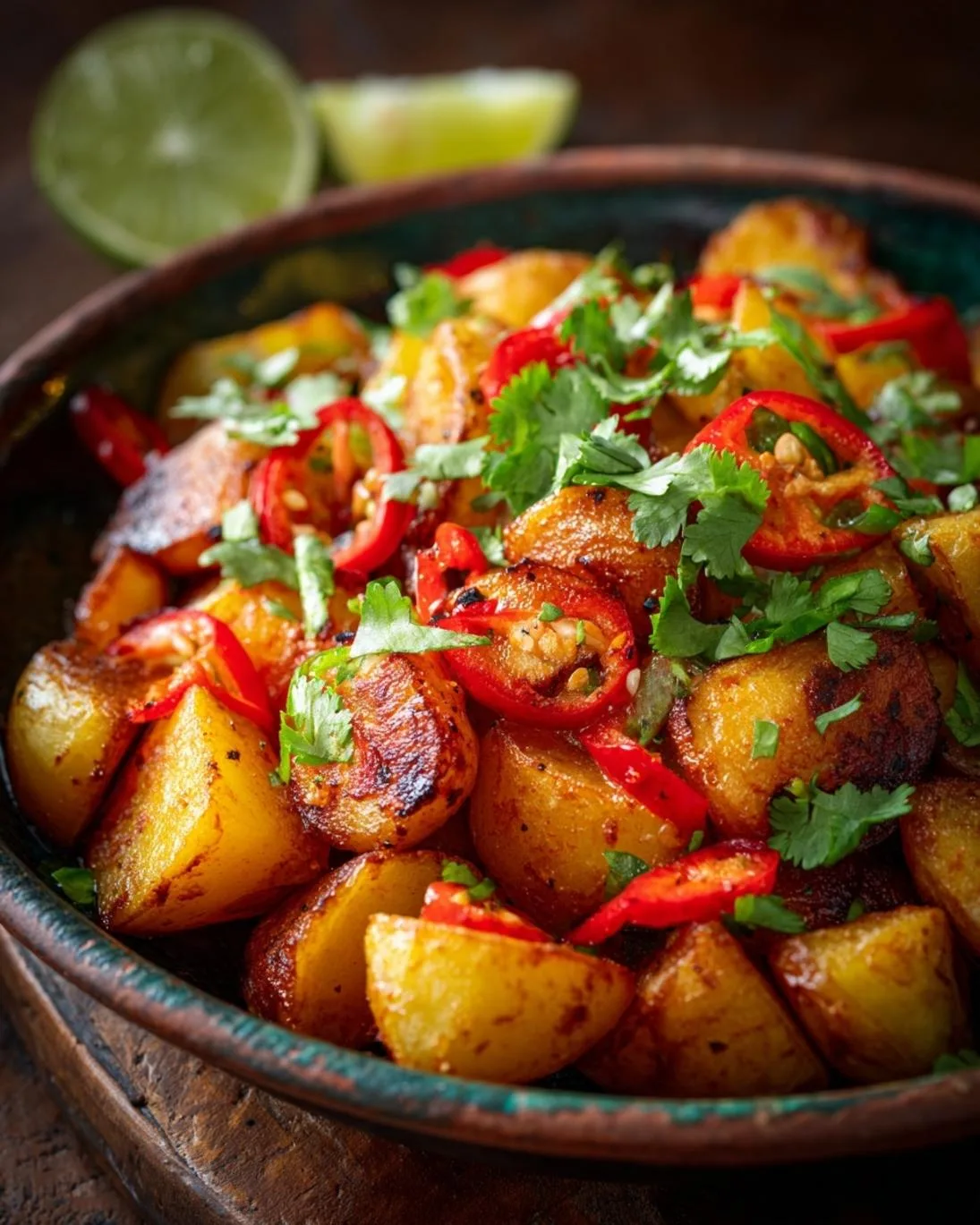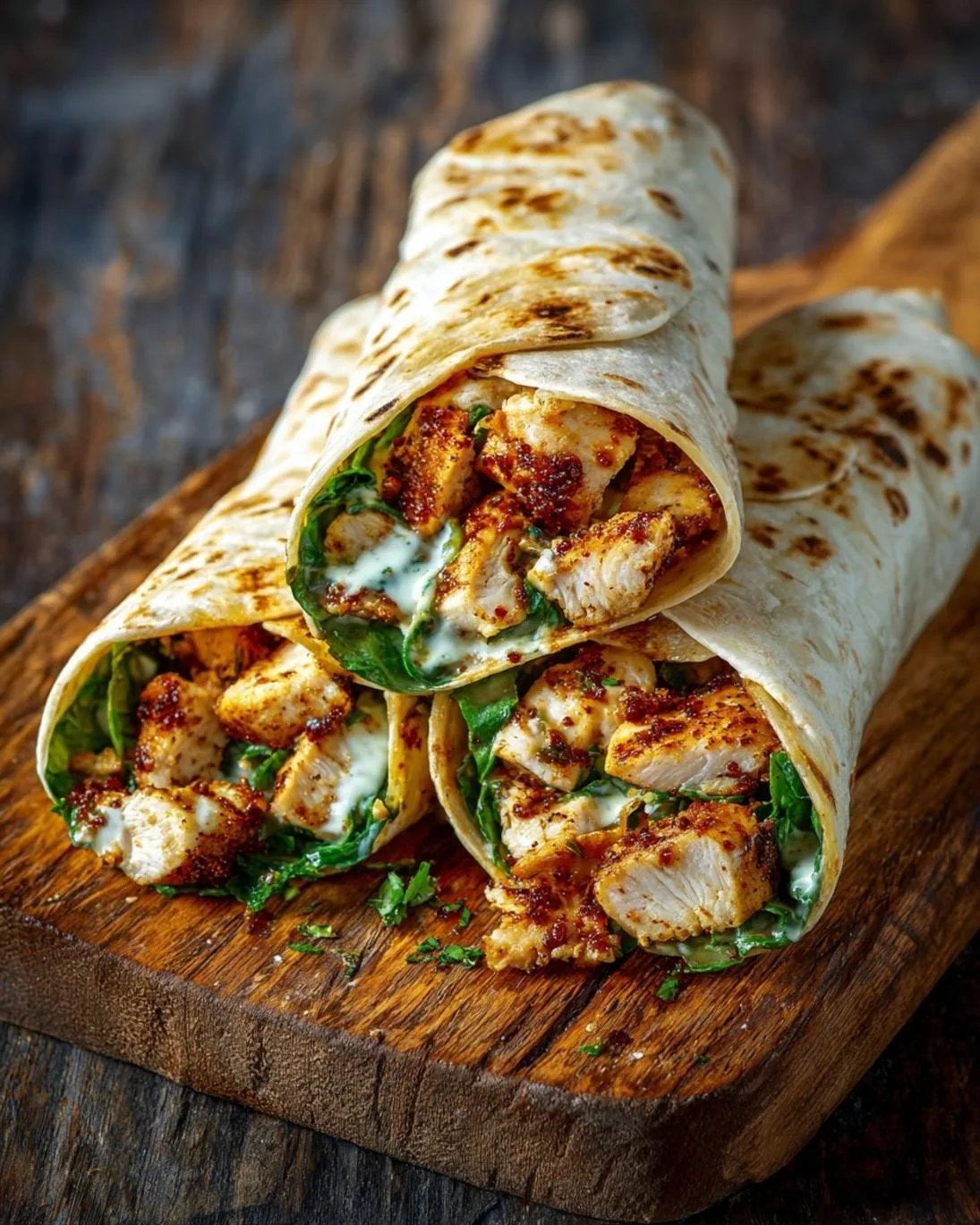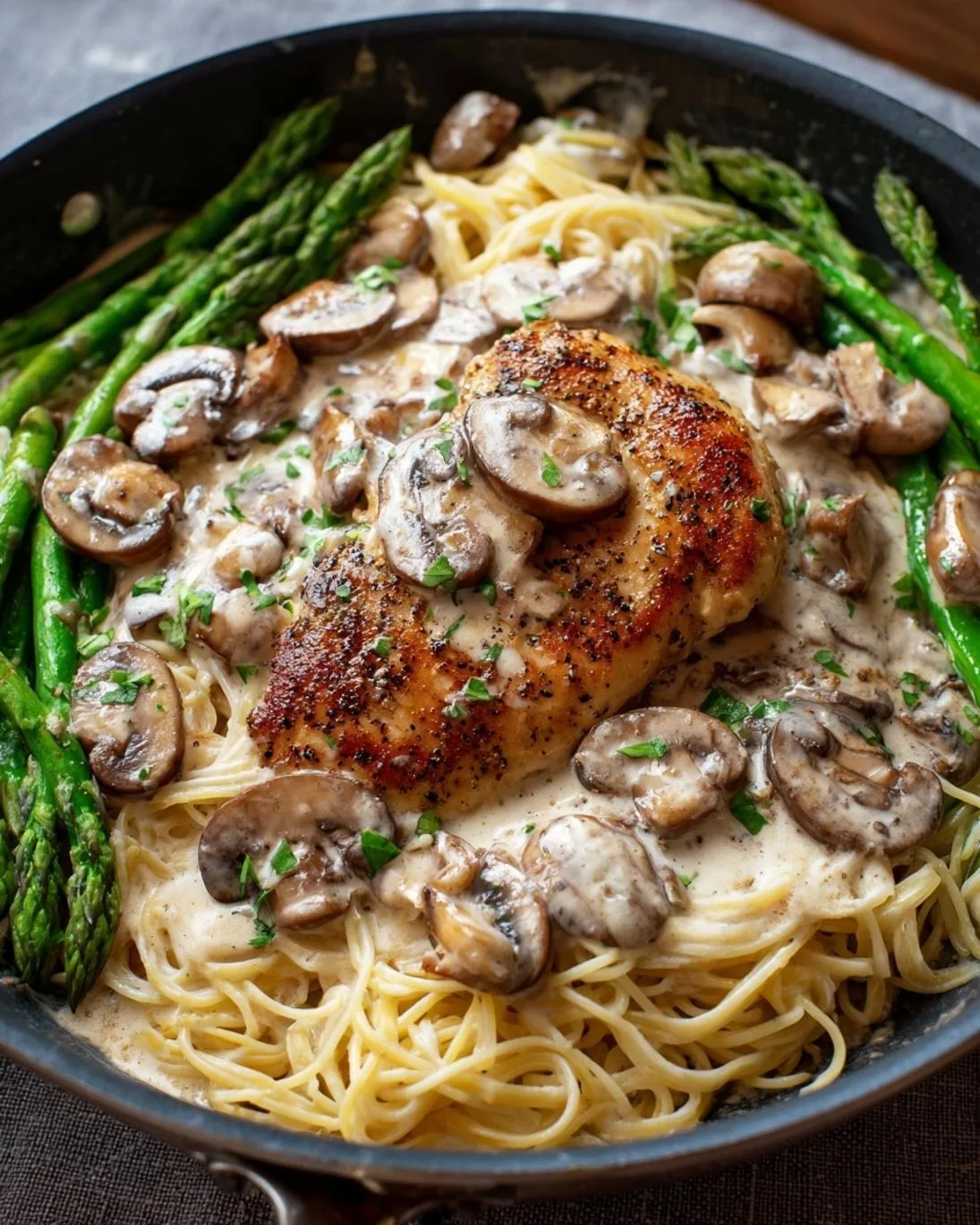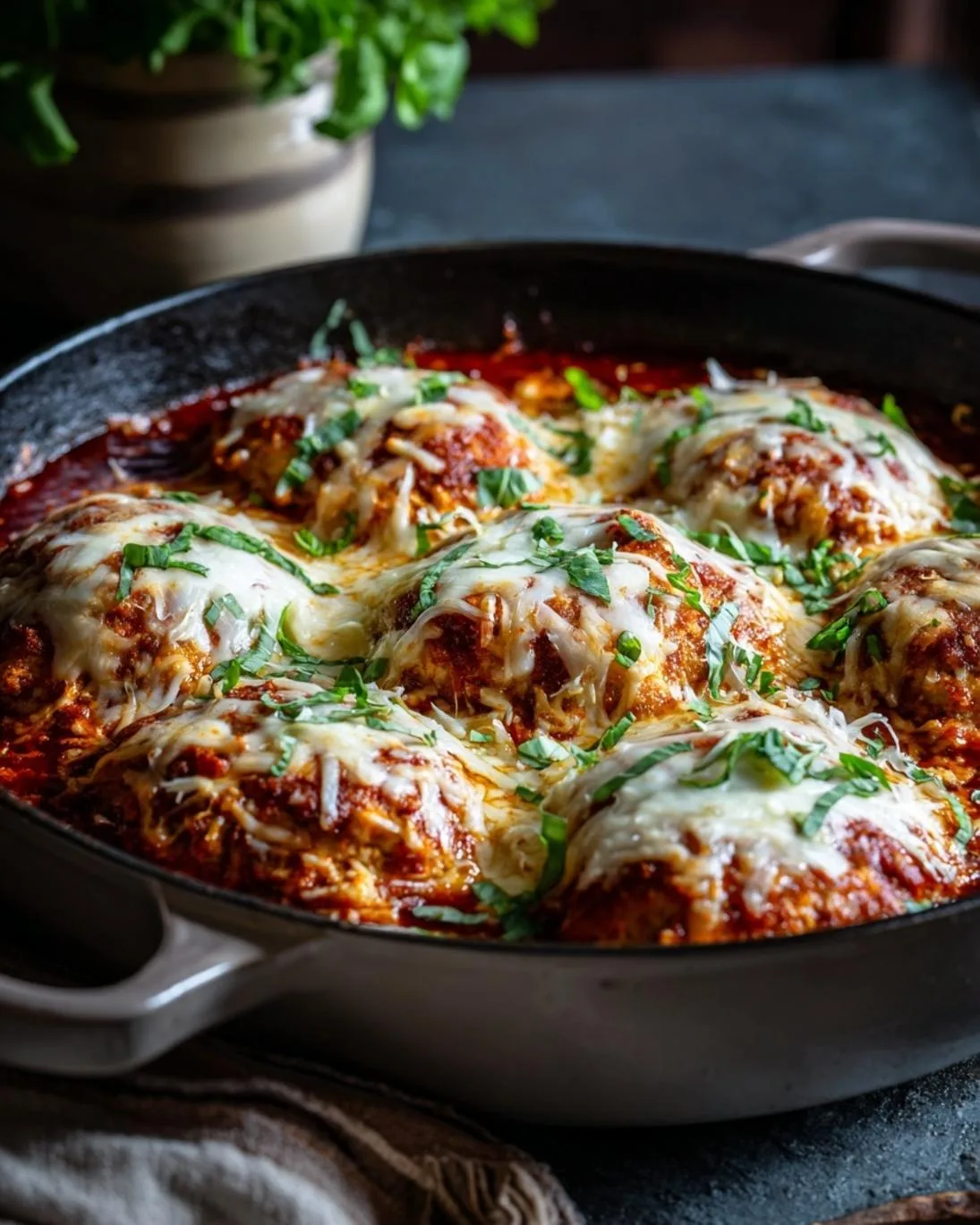
Introduction
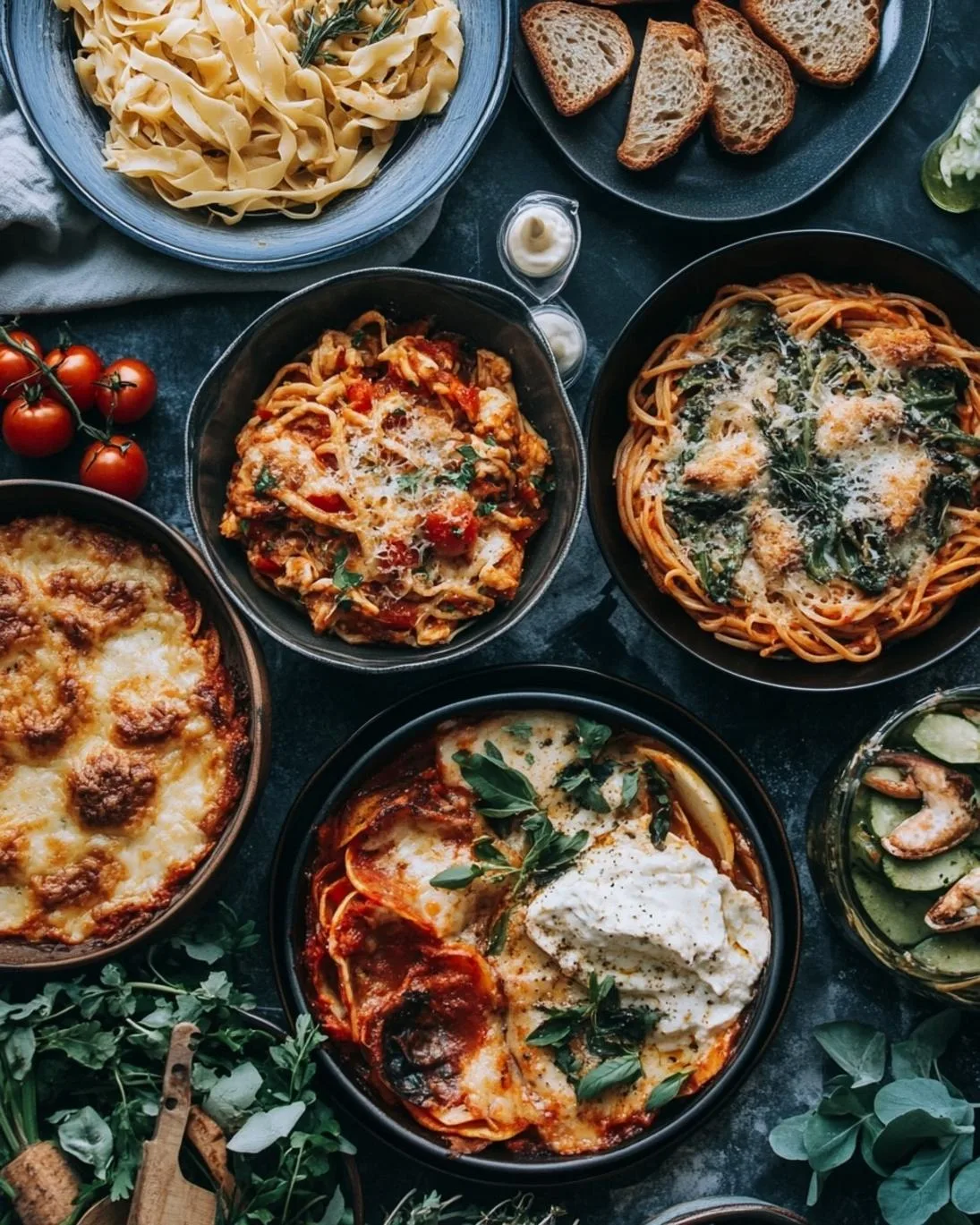
When groceries seem to cost a fortune, and your budget feels tighter than ever, have you ever wondered if truly delicious, nutrient-packed dinners are still possible without breaking the bank? Many believe that eating well on a shoestring budget means sacrificing flavor or resorting to repetitive, bland meals. However, with the right approach and a few clever culinary tricks, creating easy budget-friendly dinners when money is tight is not only achievable but can also be incredibly rewarding. In fact, studies show that households planning their meals carefully spend, on average, 25% less on groceries annually. This guide is designed to empower you to whip up satisfying and economical meals that your whole family will love, proving that financial constraints don’t have to limit your culinary creativity.
Ingredients List
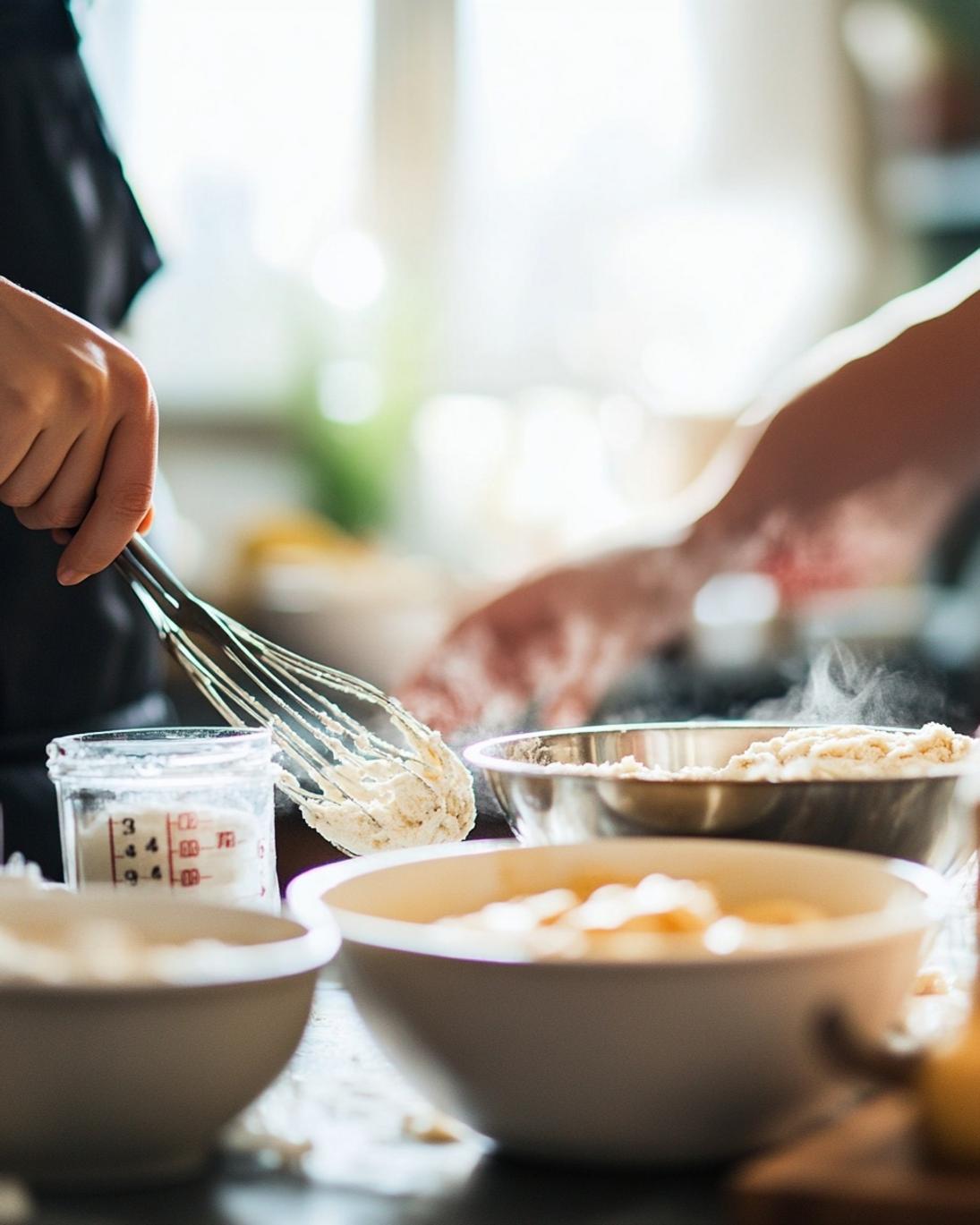
Crafting easy budget-friendly dinners when money is tight starts with smart ingredient choices. This master list focuses on versatile, affordable staples that can be transformed into multiple delicious meals.
- Pantry Staples:
* Dried pasta (spaghetti, penne, macaroni) – A classic for a reason. Choose whole wheat for extra fiber.
* Rice (long-grain white or brown) – The ultimate filler and foundation.
* Canned tomatoes (crushed, diced, or whole peeled) – Essential for sauces, soups, and stews.
* Canned beans (black beans, chickpeas, kidney beans) – Packed with protein and fiber, incredibly cheap.
* Lentils (dried or canned) – A fantastic, versatile protein source, perfect for soups and curries.
* Oats (rolled or quick) – Great for breakfast, but also as a binder or thickener.
* Flour (all-purpose) – For thickening, baking, or making simple doughs.
* Cooking oil (vegetable, canola, or olive oil) – Look for sales on larger bottles.
* Basic spices (salt, black pepper, garlic powder, onion powder, paprika, cumin, dried herbs like oregano and basil) – A small investment yields huge flavor dividends.
- Fresh Produce (focus on seasonal and long-lasting):
* Onions, garlic – The aromatic foundation for almost any savory dish.
* Potatoes (russet, Yukon Gold) – Versatile, filling, and inexpensive.
* Carrots, celery – Great for adding bulk and nutrients to soups and stews.
* Cabbage – Incredibly affordable and can be used in stir-fries, salads, or roasted.
* Seasonal greens (spinach, collard greens) – Buy when on sale.
* Frozen vegetables (peas, corn, mixed veggies, spinach) – Often cheaper and just as nutritious as fresh, with zero waste.
- Protein Sources (affordable options):
* Eggs – Excellent, cheap protein for any meal.
* Chicken thighs or drumsticks – Often cheaper than breasts and more flavorful.
* Ground turkey or pork – A versatile and economical ground meat option.
* Tofu or tempeh – Plant-based proteins that soak up flavors beautifully.
- Dairy & Alternatives:
* Milk (dairy or plant-based) – For cooking, baking, or drinking.
* Yogurt (plain) – Great for sauces, dressings, or breakfast.
* Cheese (block cheddar or mozzarella) – Grate your own from a block for better value.
Possible Alternatives & Swaps:
No chicken? Use canned tuna or an extra can of beans. No fresh garlic? Use garlic powder. Out of rice? Pasta or potatoes work well. Embrace flexibility – the goal is to use what you have efficiently. Consider exploring various components for delicious satisfying midday meals when planning your weekly menu.
Prep Time
Preparing easy budget-friendly dinners when money is tight doesn’t have to eat up your entire evening. We’re focusing on efficiency!
- Prep Time: 15 minutes
- Cook Time: 35 minutes
- Total Time Required: 50 minutes
This recipe clocks in at 50 minutes, which is roughly 30% faster than many traditional stovetop casseroles, making it perfect for busy weeknights.
Step 1: Gather & Chop
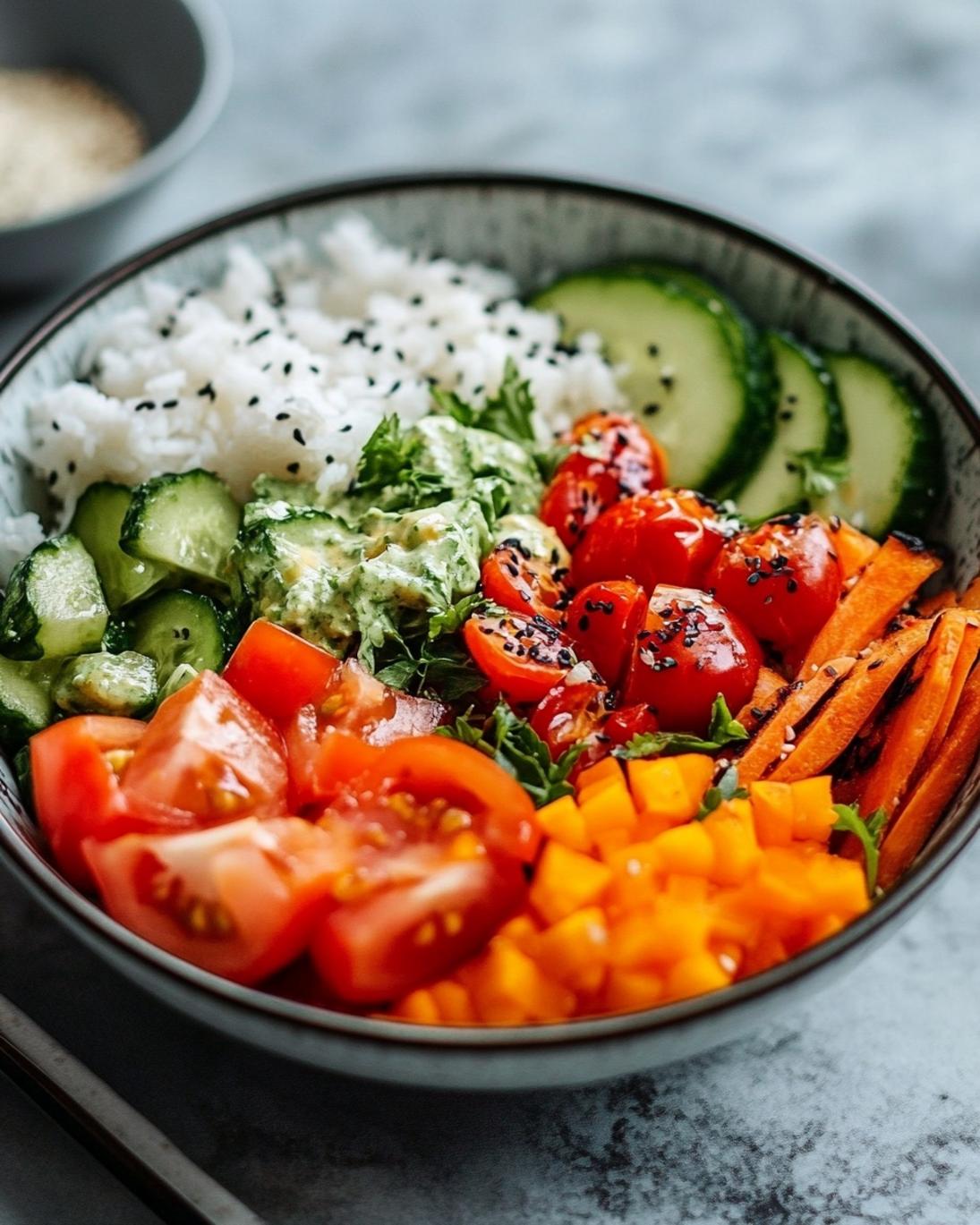
Start by gathering all your ingredients. This practice, known as “mise en place,” can reduce cooking time by up to 20%. Finely dice one large onion and 3-4 cloves of garlic. Chop any vegetables you’re using, like carrots, celery, or bell peppers. Pre-chopping helps prevent overcooking some ingredients while others are still raw, leading to a more evenly cooked and flavorful dish.
Step 2: Sauté Aromatics & Protein
Heat 1 tablespoon of cooking oil in a large skillet or pot over medium heat. Add the diced onion and sauté for 3-4 minutes until softened and translucent. Add the minced garlic and cook for another minute until fragrant, being careful not to burn it. If using ground meat, add it now and cook, breaking it up with a spoon, until no longer pink. Drain any excess fat. This step builds the foundational flavor of your dish.
Step 3: Add Liquids & Simmer
Stir in a can of diced tomatoes (undrained), 4 cups of vegetable or chicken broth (water works too if broth isn’t available), and any canned beans or lentils you’re incorporating (rinsed and drained). Bring the mixture to a gentle boil, then reduce heat to low, cover, and let it simmer for at least 15-20 minutes. This allows the flavors to meld beautifully. You might consider adding a few slices of fresh fruit for a complementary sweet note; for unique ideas, explore delightful desserts and savory dishes perfect for any occasion.
Step 4: Incorporate Grains/Pasta & Final Touches
If adding rice or pasta, stir it into the simmering mixture. Ensure there’s enough liquid to cover it; add more broth or water if needed. Continue to simmer, stirring occasionally, until the rice/pasta is cooked through and the liquid has mostly absorbed, usually another 10-15 minutes. Stir in any frozen vegetables during the last 5-7 minutes of cooking. Season generously with salt, pepper, and your chosen dried herbs and spices. Taste and adjust seasonings as needed – this is crucial for a perfectly balanced dish.
Nutritional Information
Creating easy budget-friendly dinners when money is tight often means maximizing nutritional value from affordable ingredients. This recipe, when prepared as a hearty vegetable and bean stew with rice or pasta, offers an excellent balance of macronutrients.
Per serving (estimates for a substantial portion):
- Calories: 350-450 kcal (depending on specific ingredients and portion size). This is a great energy boost without being overly heavy.
- Protein: 18-25g. Primarily from beans, lentils, and optional ground meat/tofu. Crucial for muscle repair and satiety.
- Fiber: 10-15g. Thanks to the abundance of vegetables, beans, and whole grains. This contributes significantly to the daily recommended intake of 25-30g, aiding digestion and promoting fullness.
- Fats: 8-15g (mostly healthy unsaturated fats from oil). Low in saturated fat, especially if lean protein is chosen.
- Carbohydrates: 50-60g. Provides sustained energy from complex carbohydrates.
- Vitamins & Minerals: Rich in Vitamin A (from carrots, tomatoes), Vitamin C, Potassium, Iron, and Folate from the diverse vegetable and legume content. For instance, a single serving can provide over 50% of your daily Vitamin A needs.
This profile demonstrates that budget-friendly meals can be incredibly nutrient-dense, providing essential elements for overall health and well-being.
Healthy Alternatives
Maximizing nutrition when crafting easy budget-friendly dinners when money is tight is simpler than you think. Here are creative swaps:
- Boost Fiber: Replace white pasta or rice with whole wheat versions, brown rice, or even quinoa (buy in bulk for savings). Add a handful of oats to thicken soups and add soluble fiber.
- Increase Veggies: Double the amount of vegetables like spinach, kale, or chopped cabbage. Frozen mixed vegetables are a cost-effective way to boost vitamin intake.
- Leaner Protein: Opt for lentils or chickpeas as the primary protein source for a plant-based, fiber-rich meal. If using meat, choose very lean ground turkey or chicken and drain off any fat.
- Sodium Reduction: Use low-sodium broth or water instead of regular broth. Rinse canned beans thoroughly to remove excess sodium. Flavor with herbs and spices instead of relying solely on salt.
- Healthy Fats: Use olive oil in moderation for cooking. If the recipe calls for cheese, use a small amount of a strongly flavored variety like Parmesan, or skip it entirely.
- Dietary Adaptations:
* Gluten-Free: Use gluten-free pasta or rice. Ensure all other ingredients are certified gluten-free.
* Vegan/Vegetarian: Focus on beans, lentils, tofu, and plenty of vegetables. Use vegetable broth.
* Low-Carb: Replace pasta/rice with riced cauliflower or a larger portion of leafy greens.
* Dairy-Free: Skip cheese or use nutritional yeast for a cheesy flavor.
These small adjustments can significantly enhance the nutritional profile without compromising the budget-friendly aspect of your easy budget-friendly dinners when money is tight.
Serving Suggestions
Making easy budget-friendly dinners when money is tight stand out is all about presentation and smart accompaniments.
- For a Hearty Bowl: Serve your stew or pasta dish in a deep bowl. A sprinkle of fresh parsley or cilantro (if available and within budget) adds a pop of color and freshness. A dollop of plain yogurt or a squeeze of lemon/lime juice can brighten the flavors.
- With a Side of Greens: A simple side salad made with inexpensive lettuce, cucumber, and a basic vinaigrette (oil, vinegar, salt, pepper) adds crunch and a fresh contrast. Even a handful of raw spinach wilted with the residual heat of the main dish works wonders.
- Crusty Bread (Optional): If you can afford a loaf of day-old bread (often discounted), it’s perfect for soaking up every last drop of your delicious meal. Alternatively, make your own simple flatbread or cornbread from scratch—it’s cheaper and incredibly satisfying.
- Spice it Up: Offer a dash of hot sauce or a pinch of red pepper flakes on the side for those who enjoy a bit of heat. This allows for personalization without altering the whole pot.
- Visual Appeal Tips: Don’t just dump it on the plate! Use a ladle to gently place the food, ensuring a good mix of ingredients in each serving. Garnish with something visually appealing, like a few reserved cooked beans, a swirl of olive oil, or a light dusting of paprika. Even a well-placed sprig of herb can elevate the look of a simple, easy budget-friendly dinner when money is tight.
Common Mistakes to Avoid
Even seasoned home cooks can make errors, especially when focused on budget. Avoiding these common pitfalls will ensure your easy budget-friendly dinners when money is tight are consistently delicious and economical.
- Overcooking Vegetables: This is a frequent issue, leading to mushy, nutrient-depleted veggies. Add tender vegetables like spinach or peas towards the very end of cooking, allowing them to gently wilt or just heat through.
- Under-Seasoning: Fear of oversalting often leads to bland food, especially with stews and soups where flavors meld over time. Taste frequently and adjust seasonings incrementally. Remember, salt enhances flavors; it doesn’t just make things salty. A pinch of acid (lemon juice, vinegar) can also brighten a dish that feels “flat.”
- Ignoring Expiring Ingredients: Letting produce or dairy spoil is a budget killer. Conduct a “fridge audit” before grocery shopping and plan meals around items that need to be used up first. This minimizes waste, which can save you up to 30% on your food bill annually, according to studies by the Natural Resources Defense Council.
- Not Soaking Dried Legumes (When Applicable): While canned beans are convenient, dried beans are significantly cheaper. Not soaking dried beans properly can lead to longer cooking times and a less digestible product. A simple overnight soak or a quick-soak method can prevent these issues.
- Cooking at Too High Heat: For slow-simmering dishes like big pot meals, high heat can lead to scorching the bottom, uneven cooking, and a less developed flavor. Low and slow is the key for simmering stews and sauces, allowing ingredients to tenderize and flavors to deepen.
- Forgetting to Use Up Leftovers: Leftovers are a goldmine for easy budget-friendly dinners when money is tight. Don’t let them languish. Plan for “repurpose” meals, transforming last night’s stew into tomorrow’s pasta sauce or a hearty lunch.
Storage Tips
Mastering the art of storing your easy budget-friendly dinners when money is tight ensures you get the most out of your efforts and prevents food waste.
- Cool Quickly: After cooking, don’t leave food out at room temperature for more than two hours. Divide large batches into smaller, shallow containers to help them cool faster. This minimizes the risk of bacterial growth. Placing containers in an ice bath can also speed up cooling.
- Airtight Containers are Key: Transfer leftovers to airtight containers to prevent air exposure, which can lead to spoilage and freezer burn. Glass containers are excellent as they don’t absorb odors and are microwave-safe.
- Refrigeration: Most cooked easy budget-friendly dinners when money is tight, like stews, pasta dishes, or grain bowls, will last safely in the refrigerator for 3-4 days. Label your containers with the date to keep track.
- Freezing for Longer Term: For meals intended to last longer, freezing is your best friend. Most dishes freeze well for up to 2-3 months. Soups, stews, cooked grains, and saucy pasta dishes are excellent candidates.
* Portion Control: Freeze in individual serving sizes. This makes reheating convenient and helps prevent refreezing thawed portions.
* Thawing: Thaw frozen meals in the refrigerator overnight or use the defrost setting on your microwave. Reheat thoroughly until steaming hot.
- Prep Ahead Components: Some ingredients can be prepped in advance. Chop onions, garlic, and other sturdy vegetables and store them in airtight containers in the fridge for 2-3 days. Cook grains like rice or quinoa at the beginning of the week to use in multiple meals. This strategy significantly cuts down on daily cooking time for your easy budget-friendly dinners when money is tight.
Conclusion
You’ve now seen that creating easy budget-friendly dinners when money is tight is not just about cutting costs; it’s about smart planning, resourcefulness, and embracing the joy of cooking with readily available ingredients. By focusing on pantry staples, seasonal produce, and clever substitutions, you can consistently put delicious, nutritious meals on the table without feeling the pinch. Remember, meal planning can save you up to 20% on your grocery bill each month, and reducing food waste equates to putting money back in your pocket. Don’t compromise on flavor or nutrition just because your budget is tight. Embark on a journey with nutritious ideas for an immune system boost that combines thrift with taste.
Now it’s your turn! Try out these strategies and that fantastic recipe idea this week. We’d love to hear about your culinary triumphs and unique twists in the comments below. What are your go-to easy budget-friendly dinners when money is tight? Share your tips and inspire others in our community!
FAQ
Q1: How can I make budget-friendly meals more appealing to picky eaters?
A1: Involve them in the cooking process, even with small tasks. Customize individual servings with toppings like cheese or fresh herbs. Experiment with different cooking methods – sometimes roasting vegetables instead of boiling can change their texture and appeal. Presentation also matters; make the plate look colorful and enticing.
Q2: What are the best protein sources for budget cooking?
A2: Canned and dried beans, lentils, eggs, tofu, and chicken thighs/drumsticks are excellent, affordable options. Ground turkey or pork can also be very economical. Consider buying larger quantities when these items are on sale and freezing portions.
Q3: Is it cheaper to buy fresh or frozen vegetables for budget meals?
A3: Often, frozen vegetables are cheaper and just as nutritious as fresh, especially when fresh produce is out of season. They also have a longer shelf life and create zero waste. Compare prices per pound to make the most informed decision.
Q4: How can I reduce food waste when cooking on a budget?
A4: Plan your meals based on what you already have and what needs to be used up. Store food properly in airtight containers. Utilize leftovers creative by transforming them into new meals (e.g., leftover roast chicken into a soup). Composting scraps can also help minimize waste.
Q5: What are some essential spices and seasonings for budget cooking?
A5: A basic spice rack should include salt, black pepper, garlic powder, onion powder, paprika, cumin, and dried herbs like oregano and basil. These versatile spices can elevate almost any savory dish. Buying them in larger containers can be more cost-effective in the long run.
Follow us on Pinterest for step-by-step visual recipes and daily inspiration