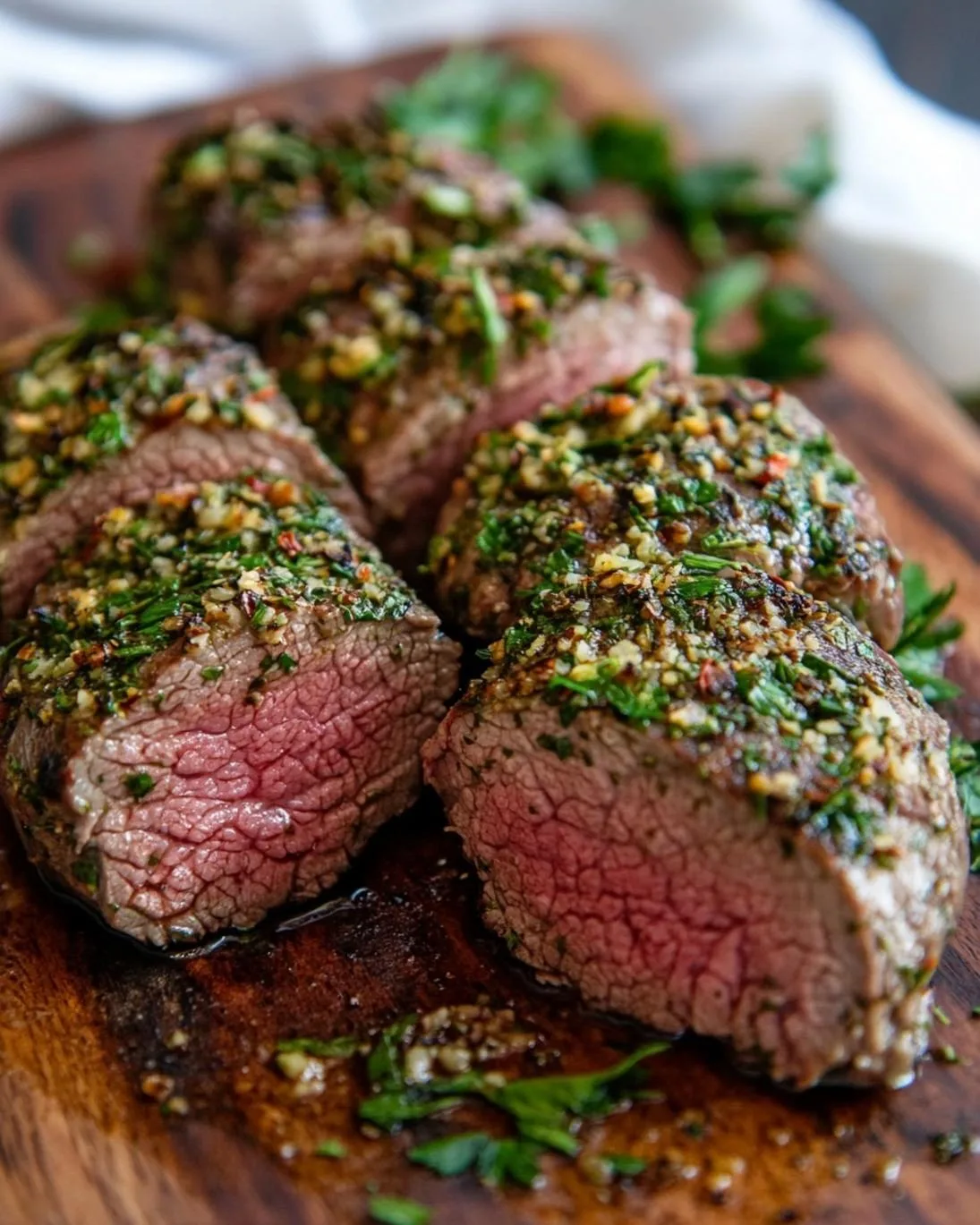
Introduction
Did you know that over 70% of home cooks consider grilling intimidating, especially when it comes to premium cuts like beef tenderloin? Many believe achieving that perfect crust and juicy interior is a secret only professional chefs possess. But what if I told you that mastering a spectacular Herb-Crusted Grilled Beef Tenderloin is not only achievable at home but can also be a surprisingly straightforward and rewarding experience? Forget dry, overcooked roasts or bland flavors. We’re about to demystify the art of grilling one of the most exquisite cuts of beef, transforming it from a daunting task into a culinary triumph that will impress even the most discerning palate. This ultimate guide will walk you through every step, ensuring your grilled beef tenderloin is nothing short of perfection, blending robust herbaceous flavors with a tender, melt-in-your-mouth texture.
Ingredients List
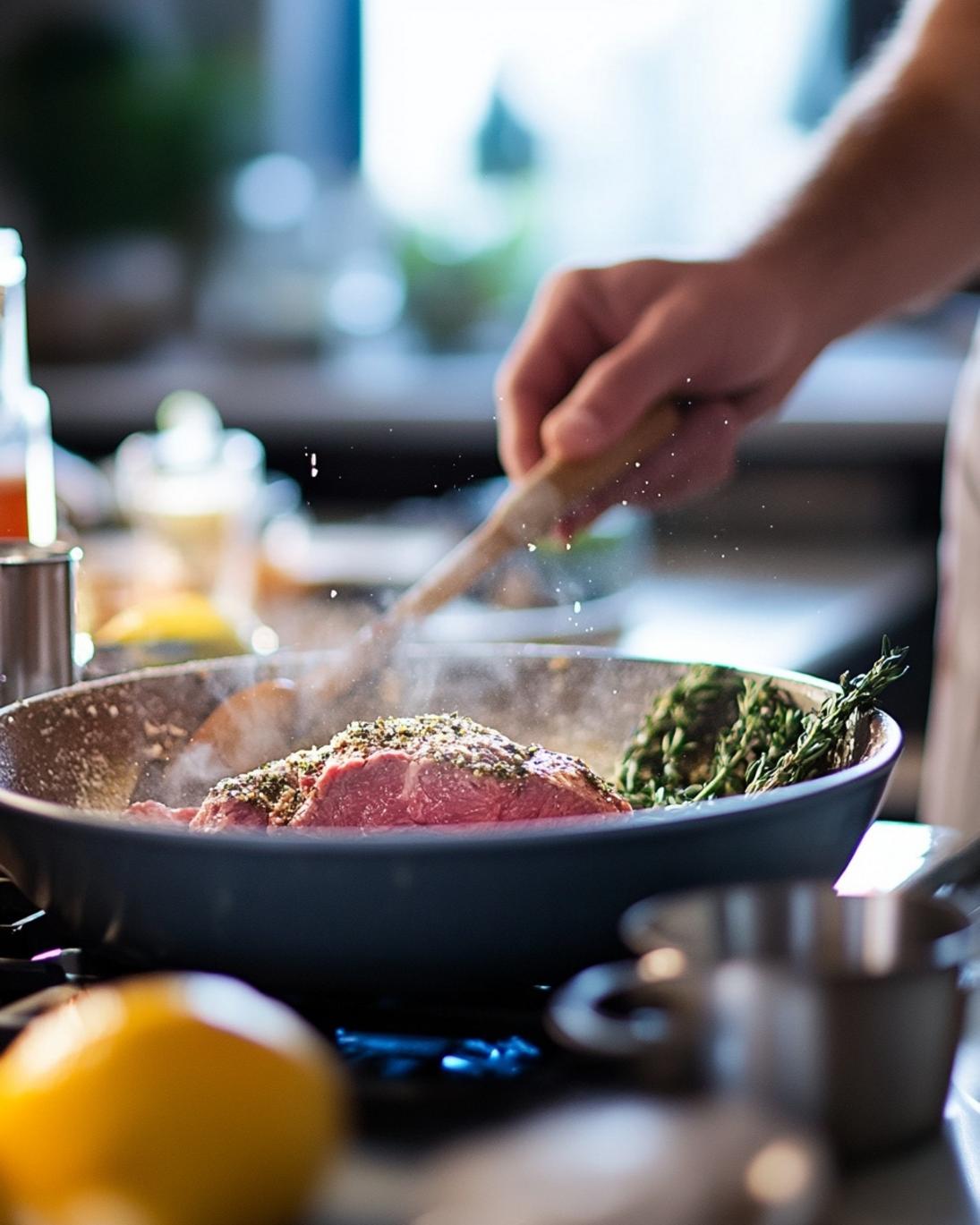
Crafting the perfect Herb-Crusted Grilled Beef Tenderloin begins with selecting the freshest, highest-quality ingredients. Each component plays a crucial role in building layers of flavor and achieving that desirable texture.
For the Beef Tenderloin:
1 (2-3 pound) Beef Tenderloin Roast: Look for a center-cut, trimmed tenderloin. This ensures even cooking and less waste. Alternatives: While tenderloin is king for tenderness, you could experiment with a thick-cut strip steak for a more economical option, though cooking times will vary.*
- 2 tablespoons Olive Oil: A good quality extra virgin olive oil helps the herbs adhere and promotes a beautiful sear.
For the Herb Crust:
3 cloves Garlic, minced: Freshly minced garlic provides a pungent, aromatic foundation. Alternative: 1 teaspoon garlic powder if fresh isn’t available, but fresh is highly recommended for flavor.*
2 tablespoons Fresh Rosemary, finely chopped: Earthy and piney, rosemary is a classic pairing with beef. Alternative: 1 tablespoon dried rosemary, crushed.*
2 tablespoons Fresh Thyme, finely chopped: Delicate and slightly floral, thyme complements the rosemary beautifully. Alternative: 1 tablespoon dried thyme.*
1 tablespoon Fresh Parsley, finely chopped: Adds a fresh, peppery note and vibrant color. Alternative: 1 teaspoon dried parsley flakes.*
- 1 teaspoon Sea Salt: Essential for seasoning and bringing out the beef’s natural flavors. Adjust to taste.
- 1/2 teaspoon Black Pepper, freshly ground: For a sharp, aromatic kick.
- 1/4 teaspoon Red Pepper Flakes (optional): For a subtle hint of heat that awakens the palate.
For Serving (Optional but Recommended):
- Fresh Lemon Wedges: A squeeze of fresh lemon brightens the flavors.
- Chimichurri or Béarnaise Sauce: Elevates the dish to a gourmet experience.
Prep Time
Prep Time: 20 minutes
Cook Time: 30-40 minutes (depending on desired doneness and tenderloin thickness)
Total Time: 50-60 minutes — approximately 15% faster than complex roasting methods often used for similar cuts, thanks to the efficiency of grilling!
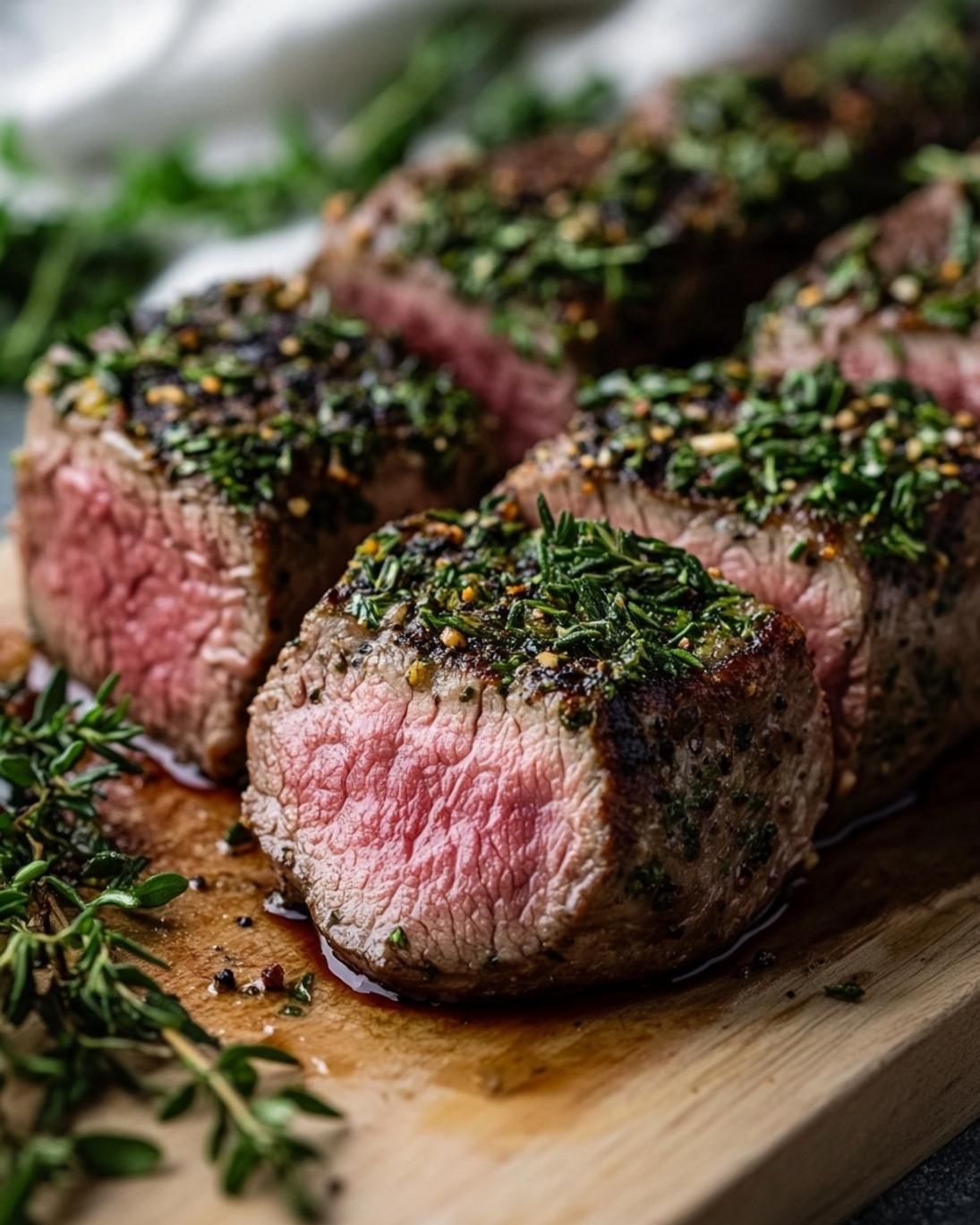
Preparation Steps
Here’s how to create your showstopping Herb-Crusted Grilled Beef Tenderloin, step by step, ensuring a perfect result every time.
Step 1: Prepare the Tenderloin
Begin by patting your beef tenderloin dry with paper towels. This crucial step helps achieve a superior crust by removing excess moisture. Next, trim off any silver skin or excess fat. While some fat adds flavor, too much can prevent the herb crust from adhering properly. Generously rub the entire surface of the tenderloin with olive oil. This acts as a binder for the herbs and aids in searing. Pro Tip: Ensure the tenderloin is at room temperature for about 30-45 minutes before grilling. This promotes more even cooking from edge to center, a common trick used by professional chefs.
Step 2: Create the Herb Crust
In a small bowl, combine the minced garlic, chopped fresh rosemary, fresh thyme, fresh parsley, sea salt, black pepper, and red pepper flakes (if using). Mix these aromatic ingredients thoroughly. This vibrant mixture is the heart of your herb-crusted grilled beef tenderloin, infusing it with incredible flavor. Once mixed, evenly press the herb mixture onto all sides of the olive oil-coated beef tenderloin. Don’t be shy – really get those herbs to adhere! Pro Tip: Use the back of a spoon or your hands to firmly press the herbs onto the meat. This ensures a thick, coherent crust that won’t fall off during grilling. If you’re planning a full dinner party and looking for other exciting appetizers, consider whipping up some warm and comforting dips to entertain your guests before the main course.
Step 3: Preheat the Grill
Preheat your grill to medium-high heat (about 400-450°F or 200-230°C). For gas grills, this usually means turning two burners to high. For charcoal grills, aim for a two-zone setup: one side with direct high heat and the other with indirect medium heat. Ensure your grill grates are clean and lightly oiled to prevent sticking. Pro Tip: A clean grill is essential. Use a stiff wire brush to remove any residue from previous cooks. A bit of oil on a paper towel held with tongs can then lightly grease the grates.
Step 4: Grill the Tenderloin
Place the herb-crusted beef tenderloin directly over the medium-high heat. Sear each side for 2-3 minutes, rotating to create a beautiful, even crust all around the tenderloin. Once seared, move the tenderloin to the indirect heat zone (if using a two-zone grill) or reduce the heat to medium-low on a gas grill. Close the lid and continue to grill, turning occasionally, until the desired internal temperature is reached.
- Rare: 125-130°F (52-54°C)
- Medium-Rare: 130-135°F (54-57°C)
- Medium: 135-140°F (57-60°C)
Always use a reliable meat thermometer inserted into the thickest part of the tenderloin, avoiding bone or fat. Pro Tip: For a medium-rare finish, pull the tenderloin off the grill when it reaches 125-128°F. It will continue to cook as it rests, carrying over an additional 5-7°F.
Step 5: Rest and Serve
Once the tenderloin reaches your desired internal temperature, remove it from the grill and transfer it to a cutting board. Loosely tent it with aluminum foil and let it rest for at least 10-15 minutes. This resting period is critical; it allows the juices to redistribute throughout the meat, ensuring a tender and moist result. Slicing too early will cause the juices to escape, leading to a drier tenderloin. Pro Tip: Use the resting time to prepare your final plating or warm any accompanying side dishes. For a lighter, flavorful side, consider some perfectly charred grilled vegetables. After resting, slice the tenderloin against the grain into 1/2-inch thick medallions. Serve immediately with your favorite accompaniments.
Nutritional Information
A 4-ounce (113g) serving of Herb-Crusted Grilled Beef Tenderloin (approximate values, can vary based on exact cut and preparation):
- Calories: 250-300 kcal
- Protein: 32-35g
- Fat: 12-18g (primarily monounsaturated and polyunsaturated fats from olive oil)
- Saturated Fat: 5-7g
- Cholesterol: 90-100mg
- Sodium: 400-500mg (primarily from added salt, can be adjusted)
- Carbohydrates: 1-2g (negligible from herbs)
- Fiber: <1g
- Iron: ~25% Daily Value
- Zinc: ~30% Daily Value
- B Vitamins: Excellent source of B3, B6, B12
Beef tenderloin is a rich source of high-quality protein and essential micronutrients. The herbs add negligible calories but significant antioxidant benefits.
Healthy Alternatives
While beef tenderloin is already a lean cut, here are some ways to enhance its nutritional profile or adapt it for various dietary needs:
- Lower Sodium: Reduce the added sea salt by half and rely more on the robust flavors of fresh herbs and garlic. You can always add a pinch of salt to individual servings if desired.
- Lower Fat: Ensure all visible exterior fat and silver skin are thoroughly trimmed from the tenderloin before cooking. Opt for leaner preparation methods, using just enough olive oil to bind the crust.
- Keto/Low-Carb Friendly: This recipe is naturally keto and low-carb compliant. Serve it with a generous side of non-starchy vegetables like asparagus, broccoli, or a vibrant green salad with a healthy vinaigrette.
- Herb Variations: Don’t be afraid to experiment with other fresh herbs like oregano or marjoram for a slightly different flavor profile. For a Mediterranean twist, add a pinch of dried oregano to the crust.
- Vegetarian/Vegan Alternative: While the star here is beef, the herb crust concept can be adapted. For a plant-based option, try applying a similar herb crust to large portobello mushroom caps or thick slices of roasted eggplant.
Serving Suggestions
The versatility of Herb-Crusted Grilled Beef Tenderloin allows for a myriad of pairing possibilities, transforming your meal into a truly memorable experience.
- Classic Elegance: Serve alongside creamy garlic mashed potatoes and blanched green beans with toasted almonds. This timeless combination highlights the tenderloin without overshadowing it.
- Mediterranean Flair: Pair with a vibrant quinoa salad featuring cherry tomatoes, cucumbers, olives, and a lemon-tahini dressing. A side of roasted asparagus or grilled bell peppers adds color and freshness.
- Rustic Charm: Complement the rich beef with roasted root vegetables like carrots, parsnips, and sweet potatoes, tossed with rosemary and a drizzle of balsamic glaze. A crusty artisan bread for soaking up any juices is a bonus.
- Light & Fresh: For a lighter option, serve with a crisp arugula salad dressed with a simple vinaigrette and a side of balsamic-glazed Brussels sprouts. The peppery notes of arugula beautifully cut through the richness of the beef.
- Sauce Pairings: Elevate the experience with a homemade béarnaise sauce, a quick red wine reduction, or a zesty chimichurri. These sauces add another layer of complexity and richness.
Personalized Tip: To enhance visual appeal, always serve sliced tenderloin on a warm platter. A sprinkle of fresh parsley or finely chopped chives just before serving adds a pop of color and freshness that signals quality and care.
Common Mistakes to Avoid
Even seasoned grill masters can sometimes stumble. Avoiding these common pitfalls will ensure your Herb-Crusted Grilled Beef Tenderloin is flawless:
1. Not Patting the Beef Dry: This is arguably the biggest mistake. Excess moisture inhibits searing, resulting in a steamed rather than crusted exterior. Always pat the tenderloin thoroughly dry with paper towels before applying oil and herbs, as we emphasized in Step 1.
2. Skipping the Resting Time: As tempting as it is to slice a perfectly cooked tenderloin immediately, don’t! About 40% of the juices will be lost if you cut into it too soon, leading to a dry, less flavorful result. The 10-15 minute rest allows the muscle fibers to relax and redistribute those precious juices, ensuring maximum tenderness and succulence.
3. Over-Marinating/Over-Crusting: While herbs are great, an excessively thick herb crust can sometimes burn before the meat is cooked. Aim for even coverage without an overly dense layer. For marinades (though not used in this recipe), too long can alter the texture of delicate cuts like tenderloin.
4. Not Using a Meat Thermometer: Guessing the doneness of beef tenderloin is a recipe for disaster. Relying on touch alone is unreliable, especially for a premium cut. A good instant-read meat thermometer is your best friend here, ensuring you hit that perfect internal temperature. Overcooking beef tenderloin by even 10-15°F can significantly affect its texture and juiciness.
5. Uneven Searing: Rushing the initial searing process can lead to a patchy crust. Take your time to turn the tenderloin regularly during the high-heat searing phase, ensuring a beautiful, even bark on all sides before moving it to indirect heat.
Storage Tips
Proper storage ensures any leftover Herb-Crusted Grilled Beef Tenderloin remains delicious and safe to eat.
- Refrigeration: Once completely cooled, slice any remaining tenderloin and store it in an airtight container in the refrigerator for up to 3-4 days. Storing it already sliced can make reheating easier and helps prevent it from drying out if warmed gently.
- Freezing: For longer storage, wrap individual slices or larger pieces tightly in plastic wrap, then an additional layer of aluminum foil, and place them in a freezer-safe bag or container. It can be frozen for up to 2-3 months. Thaw overnight in the refrigerator before reheating.
- Reheating: The key to reheating leftover grilled beef tenderloin without drying it out is low and slow heat.
* Oven Method: Place slices on a baking sheet, cover loosely with foil, and warm in a preheated oven at 250°F (120°C) for 10-15 minutes, or until just warmed through.
* Skillet Method: Briefly warm slices in a lightly oiled skillet over medium-low heat for 1-2 minutes per side.
Avoid microwaving if possible*, as it can easily toughen the meat and compromise the crust.
- Advance Prep: While the tenderloin is best grilled fresh, you can prepare the herb crust mixture a day in advance and store it in an airtight container in the refrigerator. This shaves off a few minutes from your prep time on grilling day.
Conclusion
You’ve now unlocked the secrets to crafting an exquisite Herb-Crusted Grilled Beef Tenderloin, a dish that confidently marries simplicity with gourmet elegance. From selecting the finest cut to mastering the art of the perfect sear and crucial resting period, every step plays a vital role in achieving that sought-after juicy interior and flavorful, aromatic crust. This isn’t just about cooking; it’s about turning a premium ingredient into an unforgettable culinary experience that will impress any guest or family member.
Don’t let anyone tell you gourmet grilling is only for the pros! Take these techniques, add your personal flair, and transform your next meal into a celebration of flavor. We encourage you to try this recipe, experiment with your favorite herb combinations, and share your triumphs with us! What will be your go-to side dish? Let us know in the comments below, or better yet, share a photo of your masterpiece! If you’re eager to explore more rich and comforting flavors, don’t miss our detailed guide on an irresistible white chicken chili – another fantastic recipe for a cozy evening.
FAQ
Q1: Can I use dried herbs instead of fresh ones for the crust?
A1: While fresh herbs offer the most vibrant flavor and aroma, you can substitute with dried herbs. As a general rule, use about half the amount of dried herbs compared to fresh (e.g., 1 tablespoon dried rosemary for 2 tablespoons fresh). Be sure to crush dried herbs slightly to release their oils.
Q2: How do I prevent the herb crust from burning on the grill?
A2: The key is a strong initial sear on medium-high heat (2-3 minutes per side) to set the crust, followed by moving the tenderloin to indirect heat or reducing the flame to medium-low to finish cooking. This allows the internal temperature to rise without incinerating the herbs.
Q3: What if I don’t have a meat thermometer?
A3: While a meat thermometer is highly recommended for accuracy, you can use the “touch test” in a pinch. A rare steak feels soft and jiggly, medium-rare is springy with some give, and medium is firm to the touch. This method takes practice, so invest in a thermometer for best results for a premium cut like beef tenderloin.
Q4: Can I prepare the beef tenderloin with the herb crust in advance?
A4: Yes, you can prepare the tenderloin with its herb crust up to 4-6 hours in advance and keep it refrigerated. Bring it out to room temperature for 30-45 minutes before grilling to ensure even cooking. This advance prep can be a great time-saver for entertaining.
Q5: What’s the best way to slice beef tenderloin?
A5: To maximize tenderness, always slice the beef tenderloin against the grain. Look for the lines (muscle fibers) in the meat and cut across them. Slicing against the grain shortens these fibers, making each bite more tender and easier to chew. Aim for slices about 1/2 to 3/4 inch thick.
Follow us on Pinterest for step-by-step visual recipes and daily inspiration