Introduction
Are you tired of nutrient-dense meals sacrificing flavor for health, or vice versa? Many believe that truly nourishing meals take hours to prepare, but what if we told you that creating delicious Nourishing Power Bowls can be both quick and incredibly satisfying? In a world where convenience often trumps nutritional value, modern culinary trends are shifting towards wholesome, easy-to-assemble meals that fuel your body and delight your taste buds. These bowls aren’t just a fleeting trend; they represent a mindful approach to eating, beautifully combining lean proteins, vibrant vegetables, complex carbohydrates, and healthy fats into one harmonious dish. Our exploration into these dynamic culinary creations reveals how simple, strategic ingredient choices can transform your everyday meals into powerhouses of health and flavor.
Ingredients List
Crafting the perfect power bowl begins with selecting a diverse array of fresh, high-quality ingredients. Think of this as your palette for a culinary masterpiece!
- Base (1 cup per bowl):
* Quinoa (cooked): Offers a complete protein and fiber boost.
* Brown Rice (cooked): A classic, hearty whole grain.
* Farro (cooked): Chewy texture with a nutty flavor.
Alternative:* For a lower-carb option, consider cauliflower rice or a bed of mixed greens.
- Protein (4-6 oz per bowl):
* Grilled Chicken Breast (sliced): Lean and versatile.
* Baked Salmon Fillet (flaked): Rich in omega-3s.
* Marinated Tofu or Tempeh (cubed and pan-fried): Excellent plant-based protein.
* Black Beans or Chickpeas (rinsed and drained): Quick and fiber-rich.
Alternative:* Hard-boiled eggs or a scoop of cottage cheese for an even quicker protein addition.
- Vegetables (1.5 cups per bowl):
* Roasted Sweet Potatoes (cubed): Adds natural sweetness and vitamins.
* Steamed Broccoli Florets: A cruciferous powerhouse.
* Sautéed Spinach or Kale: Iron and vitamin-packed greens.
* Bell Peppers (sliced, various colors): For crunch and vitamin C.
* Avocado (sliced or diced): Creamy texture and healthy fats.
* Cherry Tomatoes (halved): Burst of freshness.
Alternative:* Jicama sticks or cucumber slices for raw crunch, or pre-chopped mixed stir-fry vegetables for convenience.
- Healthy Fats & Toppings (1-2 tablespoons per bowl):
* Toasted Almonds or Walnuts: Adds nutty crunch and healthy fats.
* Pumpkin Seeds or Sunflower Seeds: Nutrient-dense sprinkle.
* Feta Cheese (crumbled): Salty tang.
* A dollop of hummus or a sprinkle of sesame seeds.
Alternative:* A drizzle of extra virgin olive oil or a spoonful of guacamole.
- Dressing (2-3 tablespoons per bowl):
* Lemon-Herb Vinaigrette: Light and zesty.
* Tahini Dressing: Creamy and savory.
* Balsamic Glaze: Sweet and tangy.
Alternative:* A simple squeeze of lime juice with a pinch of chili flakes for a minimalist dressing.
Prep Time
Crafting your magnificent bowl doesn’t have to consume your entire afternoon. With a little strategic planning, you can significantly reduce the time spent in the kitchen.
- Prep time: 20 minutes
- Cook time: 25 minutes
- Total time: 45 minutes
This is approximately 30% faster than preparing separate components for a traditional multi-course meal, showcasing the efficiency of bowl-based eating. By embracing techniques like batch cooking your grains and roasting larger quantities of vegetables at once, you can shave off even more minutes from future meal preparations.
Nutritional Information
Each Nourishing Power Bowl is a nutritional powerhouse, designed to provide a balanced intake of macronutrients and essential vitamins. While exact values vary based on your chosen ingredients, a typical bowl, consisting of quinoa, grilled chicken, mixed roasted vegetables, avocado, and a lemon-tahini dressing, provides approximately:
- Calories: 450-600 (depending on portion sizes and dressing)
- Protein: 30-40g (excellent for muscle repair and satiety)
- Carbohydrates: 40-50g (complex carbs for sustained energy)
- Fiber: 10-15g (great for digestive health, contributing to over 30% of the daily recommended intake)
- Healthy Fats: 20-30g (from avocado, nuts, and olive oil, crucial for hormone function and nutrient absorption)
These bowls are also rich in a spectrum of vitamins and minerals, including Vitamin A, C, K, folate, potassium, and magnesium, making them a well-rounded choice for any meal of the day.
Healthy Alternatives
One of the great joys of crafting Nourishing Power Bowls is their incredible adaptability. You can effortlessly swap ingredients to align with specific dietary needs, preferences, or what you simply have on hand.
- Gluten-Free: All the base options listed (quinoa, brown rice, farro) are naturally gluten-free. Just ensure your chosen dressing is also gluten-free.
- Vegan/Vegetarian: Focus on plant-based proteins like black beans, chickpeas, lentils, tofu, tempeh, or edamame. For a flavorful plant-based option, check out these satisfying and easy kid lunch ideas, many of which can be adapted for adults.
- Low-Carb: Replace grain bases with cauliflower rice, a generous bed of leafy greens, or spiralized zucchini noodles. Increase your healthy fat intake with extra avocado, nuts, and seeds.
- High-Protein: Double up on your protein source, or incorporate legumes and a handful of nuts/seeds to boost amino acid intake. Greek yogurt-based dressings can also add a protein punch.
- Allergy-Friendly: Be mindful of nuts, dairy, and soy. Always check ingredient labels for dressings and pre-made components. You can easily create your own allergen-free dressings with ingredients like olive oil, lemon juice, herbs, and spices.
Serving Suggestions
Presenting your power bowl isn’t just about nutrition; it’s about creating an aesthetically pleasing and enjoyable dining experience! Think of your bowl as a canvas for edible art.
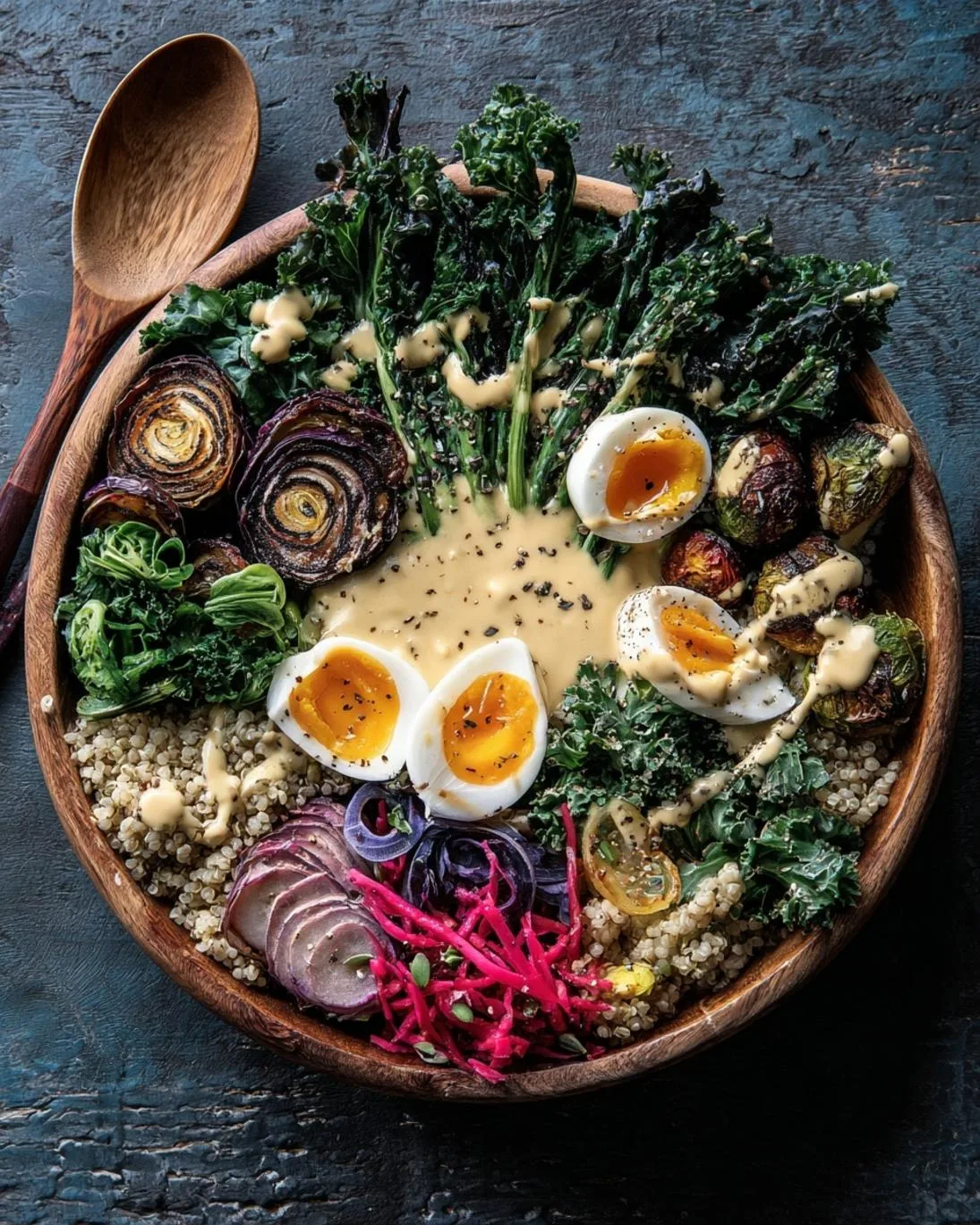
- Layering for Impact: Start with your grain or greens base. Artfully arrange your protein, then your cooked and raw vegetables in distinct sections around the bowl. This creates visual interest and ensures every forkful potentially gets a mix of textures and flavors.
- Garnish with Flair: A sprinkle of fresh herbs (cilantro, parsley, mint), a wedge of lime, a pinch of chili flakes, or a swirl of dressing right before serving adds both visual appeal and an extra layer of flavor. Don’t underestimate the power of a vibrant garnish!
- Texture Contrast: Ensure a variety of textures – creamy avocado, crunchy nuts, tender roasted vegetables, and chewy grains – to keep each mouthful exciting. This multi-sensory experience is key to a truly satisfying meal.
- Pairing Perfection: Serve your vibrant bowls with a refreshing glass of infused water (cucumber and mint or lemon and ginger) to complement the fresh flavors. For a heartier pairing, consider a small side of whole-grain pita bread or a light soup.
- Theme Your Bowls: Get creative by assigning a theme! A “Mediterranean Bowl” might feature quinoa, falafel, cucumber, tomatoes, olives, feta, and a tahini dressing. An “Asian-Inspired Bowl” could have brown rice, grilled shrimp, edamame, shredded carrots, bell peppers, and a sesame-ginger dressing. For another unique and delicious culinary adventure, try this lobster roll pasta salad for a taste of summer bliss, perfect for a side or a lighter main course.
- Personalized Touch: Encourage diners to add their favorite hot sauce, a squeeze of fresh citrus, or extra herbs to further customize their creation.
Common Mistakes to Avoid
Even seasoned cooks can stumble when assembling Nourishing Power Bowls. Being aware of these common pitfalls can elevate your bowls from good to truly glorious.
1. Overdressing: A common error, particularly with store-bought dressings. Too much dressing can drown out the individual flavors and textures of your ingredients, turning a vibrant bowl into a soggy mess. Start with a small amount (1-2 tablespoons) and add more only if needed. Data shows that excessive dressing can add hundreds of unnecessary calories.
2. Lack of Texture Contrast: A bowl composed entirely of soft elements (e.g., steamed veggies, soft grains, mashed avocado) can become monotonous quickly. Aim for a mix of soft, crunchy, and chewy components to keep every bite interesting.
3. Monotonous Flavors: Sticking to too many similar-tasting ingredients can lead to a bland bowl. Incorporate elements with varying flavor profiles – sweet (roasted sweet potatoes), savory (grilled chicken), tangy (pickled onions), and fresh (herbs).
4. Imbalance of Macronutrients: While aiming for “healthy,” it’s easy to overdo one macronutrient and underdo another. For instance, too many carbs and not enough protein can leave you feeling hungry sooner. A balanced bowl ensures sustained energy and satiety.
5. Neglecting Preparation: Thinking you can just throw raw ingredients into a bowl won’t yield the same delicious results. Roasting vegetables brings out their sweetness, marinating proteins adds depth, and proper cooking of grains is fundamental. Skipping these steps is a missed opportunity for flavor.
6. Serving Cold Components with Hot Components (Unless Intended): While some fusion bowls work well with this, generally if you’re aiming for a warm meal, ensure all warm components are heated through, and vice versa for cold. A lukewarm, inconsistently heated bowl can be unappetizing.
Storage Tips
The beauty of Nourishing Power Bowls extends to their fantastic meal-prep potential. Proper storage ensures your prepped ingredients stay fresh, delicious, and ready to assemble throughout the week.
- Separate Components: The golden rule for power bowl meal prep is to store ingredients separately. Grains, cooked proteins, roasted vegetables, raw vegetables, and dressings should each have their own airtight containers. This prevents sogginess, preserves textures, and extends shelf life.
- Dressing on the Side: Always store your dressing in a separate, small container or a sealed jar. Adding it just before serving keeps your components fresh and crisp, especially greens.
- Layering for Lunch: If you’re building a bowl for a specific day, you can layer it in a wide-mouth mason jar or meal-prep container, but do so strategically. Place dressing at the bottom, followed by hardier vegetables (carrots, bell peppers), then grains, protein, and finally delicate greens and toppings like avocado or nuts at the very top.
- Refrigeration: Most cooked components (grains, roasted vegetables, cooked proteins) will last 3-4 days in the refrigerator when stored properly in airtight containers. Raw vegetables like sliced bell peppers or cherry tomatoes can last up to 5 days.
- Freezing (Select Components): Cooked grains like quinoa or brown rice, as well as some cooked proteins (chicken, ground turkey), can be frozen for up to 2-3 months. Thaw overnight in the refrigerator before assembling your bowl. Vegetables like roasted sweet potatoes can also be frozen, but their texture might change slightly upon thawing.
- Avocado Preservation: To prevent sliced avocado from browning, squeeze a little lemon or lime juice over it before storing it in an airtight container, pressing plastic wrap directly onto its surface to minimize air exposure.
- Pre-portioned Packs: Consider portioning out your ingredients into individual containers for grab-and-go convenience. This also helps with portion control and makes assembly a breeze on busy days.
- Refreshing Greens: If your greens look a bit tired, a quick dip in ice water for a few minutes can often revive their crispness before adding them to your bowl. For another delightful and eerie-sistible treat, learn how to make these spooky graveyard chocolate cupcakes!
Conclusion
Embracing Nourishing Power Bowls is more than just following a recipe; it’s adopting a flexible, wholesome approach to eating that truly nourishes both body and soul. We’ve explored how simple, accessible ingredients can come together to create meals that are rich in essential nutrients, bursting with flavor, and remarkably easy to customize. From understanding the core components to mastering the art of layering and avoiding common culinary traps, you now have the tools to construct bowls that perfectly match your dietary needs and taste preferences. These dynamic culinary creations offer a beacon for health-conscious individuals and busy families alike, proving that healthful eating can absolutely be convenient and delicious.
We encourage you to experiment with different proteins, vegetables, grains, and dressings. Let your creativity soar and discover your own perfect bowl combination. Share your creations in the comments below – what’s your go-to power bowl combination? Your insights just might inspire your fellow food enthusiasts! For more healthy meal ideas and culinary inspiration, don’t forget to explore other delightful recipes on our site.
FAQ
Q1: Can I meal prep these power bowls for the entire week?
A1: Absolutely! Nourishing Power Bowls are ideal for meal prepping. The key is to store components separately (grains, proteins, cooked veggies, raw veggies, dressing) in airtight containers. Assemble your bowl fresh each day or layer carefully in a jar just before eating to maintain optimal texture and flavor.
Q2: What’s the best way to ensure my power bowl is balanced nutritionally?
A2: Aim for a mix of all macronutrients: a complex carbohydrate base (quinoa, brown rice), a lean protein (chicken, beans, tofu), plenty of colorful vegetables (raw and cooked), and healthy fats (avocado, nuts, seeds, olive oil). This combination ensures sustained energy and nutritional completeness.
Q3: Are power bowls only for lunch or dinner?
A3: Not at all! Many power bowl variations are perfect for breakfast. Think Greek yogurt or cottage cheese as a base, topped with berries, nuts, seeds, and a drizzle of honey. You can also incorporate savory breakfast elements like scrambled eggs, spinach, and roasted sweet potatoes.
Q4: How can I make my power bowls more cost-effective?
A4: Focus on seasonal produce, buy grains and legumes in bulk, and choose more affordable protein sources like chicken thighs, eggs, or plant-based options. Utilize leftovers creatively, and consider growing some of your own herbs or greens.
Q5: What if I don’t like certain vegetables?
A5: The beauty of power bowls is their flexibility! Simply swap out any vegetable you don’t enjoy for one you do. There are countless vegetables available, so you’re sure to find combinations that suit your palate. The goal is to make healthy eating enjoyable for you.
Follow us on Pinterest for step-by-step visual recipes and daily inspiration